As a supplier of pipe bending machines, one question that frequently arises from our clients is, "Can a pipe bending machine bend pipes with different wall thicknesses?" This inquiry is not only common but also crucial for many industries that rely on pipe bending, such as construction, automotive, and manufacturing. In this blog post, I’ll delve into the technical aspects of this topic, share real – world experiences, and provide insights on how our pipe bending machines handle pipes of varying wall thicknesses. Pipe Bending Machine

The Technical Capabilities of Pipe Bending Machines
Pipe bending machines operate based on a set of mechanical and hydraulic principles. The bending process involves applying a force to a pipe in a specific direction to change its shape while maintaining its structural integrity. Different types of pipe bending machines, such as manual, hydraulic, and CNC (Computer Numerical Control) machines, have different levels of precision and power.
When it comes to bending pipes with different wall thicknesses, the key factors to consider are the machine’s torque, bending radius, and clamping force. The torque of the machine determines its ability to apply enough force to bend the pipe. Thick – walled pipes require more torque to bend compared to thin – walled pipes because of their greater structural strength. A machine with insufficient torque may not be able to bend a thick – walled pipe at all or may cause uneven bends, leading to a poor – quality finished product.
The bending radius also plays a significant role. Different wall thicknesses may require different bending radii to prevent issues like wrinkling, cracking, or wall thinning. For thin – walled pipes, a larger bending radius is often preferred to avoid over – stressing the material. In contrast, thick – walled pipes can often tolerate smaller bending radii. Our pipe bending machines are designed with adjustable bending radius settings, allowing operators to customize the bending process based on the wall thickness and other specifications of the pipes.
Clamping force is another critical aspect. A proper clamping force is needed to hold the pipe securely in place during the bending process. If the clamping force is too low, the pipe may slip, resulting in inaccurate bends. On the other hand, excessive clamping force can damage the pipe, especially thin – walled ones. Our machines are equipped with advanced clamping systems that can be adjusted according to the wall thickness of the pipes, ensuring a stable and precise bending operation.
Real – World Applications and Challenges
In real – world applications, the need to bend pipes of different wall thicknesses is quite common. For example, in the construction industry, pipes with different wall thicknesses are used for various purposes, such as water supply, drainage, and structural support. Our clients often require bending pipes for building facades, handrails, and HVAC (Heating, Ventilation, and Air Conditioning) systems, where pipes of different sizes and wall thicknesses are involved.
One of the challenges we’ve encountered is the difference in material properties of pipes with different wall thicknesses. Some pipes are made of high – strength materials, while others are more ductile. The combination of different wall thicknesses and material properties can make the bending process more complex. For instance, a thick – walled high – strength steel pipe may require a different bending strategy compared to a thin – walled aluminum pipe.
To address these challenges, we’ve developed a comprehensive set of operating procedures and training programs for our clients. Our technicians work closely with customers to understand their specific requirements and provide customized solutions. We conduct on – site tests on different types of pipes to determine the optimal bending parameters, including the speed of the machine, the angle of bending, and the amount of force applied.
Our Pipe Bending Machines’ Performance
Our pipe bending machines are engineered to handle a wide range of wall thicknesses. We have a variety of models available, each with its own capabilities and specifications. For example, our hydraulic pipe bending machines are known for their high – power output, which makes them suitable for bending thick – walled pipes. These machines can generate a large amount of torque, allowing them to bend pipes with relatively large diameters and thick walls.
Our CNC pipe bending machines offer even greater precision and flexibility. With their advanced control systems, operators can program the machine to bend pipes with different wall thicknesses according to specific designs. This is particularly useful for industries that require complex and precise pipe bends, such as the automotive and aerospace industries.
We also continuously invest in research and development to improve the performance of our machines. We collaborate with material scientists and engineers to better understand the behavior of different pipes during the bending process. This research helps us to optimize the design of our machines and develop new technologies that can handle pipes with a wider range of wall thicknesses more effectively.
Case Studies
Let’s take a look at a few case studies to illustrate how our pipe bending machines have successfully bent pipes with different wall thicknesses.
Case Study 1: A construction company approached us with a project that involved bending pipes for a large – scale commercial building. The project required bending pipes with wall thicknesses ranging from 2mm to 10mm. We recommended our hydraulic pipe bending machine, which was capable of handling the different wall thicknesses with ease. Our technicians provided on – site training to the construction workers, and the project was completed on time with high – quality pipe bends.
Case Study 2: An automotive parts manufacturer needed to bend thin – walled aluminum pipes for a new car model. They also had some thick – walled steel pipes for structural components. We suggested our CNC pipe bending machine, which could be programmed to handle the different materials and wall thicknesses. With the machine’s precise control, the manufacturer was able to produce accurate and consistent pipe bends, meeting the strict quality requirements of the automotive industry.
Conclusion and Call to Action
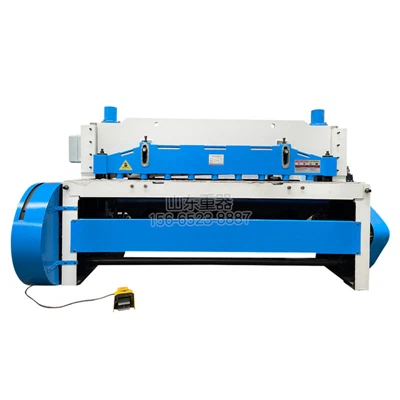
In conclusion, a well – designed pipe bending machine can indeed bend pipes with different wall thicknesses. However, it requires careful consideration of the machine’s technical capabilities, the material properties of the pipes, and the specific requirements of the bending project. Our company, as a leading supplier of pipe bending machines, has the expertise and experience to provide solutions for bending pipes of various wall thicknesses.
Molding Main Unit Whether you are in the construction, automotive, or any other industry that requires pipe bending, we can offer you the right machine and support. If you have inquiries about our pipe bending machines or need assistance with your pipe bending projects, we invite you to contact us for a detailed discussion. Our team of experts is ready to provide you with customized solutions and help you achieve the best results.
References
- "Pipe Bending Technology Handbook", by XYZ Publishing
- Journal of Manufacturing Processes: Articles on pipe bending and material behavior
- Industry reports on the application of pipe bending machines in different sectors
Wuxi Yuanding Machinery Manufacturing Co., Ltd.
We’re well-known as one of the leading pipe bending machine manufacturers and suppliers in China, also support customized service. Please feel free to buy advanced pipe bending machine made in China here from our factory. For pricelist, contact us now.
Address: Yaguang Industrial Park, No. 88 Chaoyang South Road, Xishan District, Wuxi City, Jiangsu Province
E-mail: 13861798466@163.com
WebSite: https://www.wxyuanding.com/
