Hey there! I’m part of a team that’s all about creating layouts for food production lines, and today, I wanna share some tips on designing a layout for a frozen food production line. It’s a fascinating process that combines a bit of science, a dash of creativity, and a whole lot of practical know – how. Layout for Food Production Line

Understanding the Basics of Frozen Food Production
Before we jump into the layout design, it’s crucial to understand what goes on in a frozen food production line. Frozen food production involves several key stages: raw material handling, preparation, cooking or processing, freezing, and packaging. Each stage has its own unique requirements and challenges, and the layout needs to support the smooth flow of products through these steps.
Raw material handling is the starting point. You’ve got to have a proper area to receive and store various ingredients like meats, vegetables, and starches. These areas need to be large enough to accommodate the volume of incoming goods, and they must meet strict hygiene standards. For example, fresh produce might need to be stored at a cool temperature to maintain freshness.
Once the raw materials are in, it’s time for preparation. This could involve washing, chopping, and marinating. The preparation area should be designed to allow easy movement of ingredients between different workstations. You don’t want your workers to be running all over the place just to get the next ingredient.
After preparation, the food goes through cooking or processing. Depending on the type of frozen food, this could involve baking, frying, or boiling. The cooking equipment needs to be placed in a way that allows for efficient heat management. No one wants a layout where the heat from one oven is affecting the operation of another machine nearby.
Freezing is a critical step. There are different freezing methods, like blast freezing and slow freezing, and the layout should be designed around the chosen method. The freezing area should be well – insulated to prevent heat leakage and ensure that the food freezes quickly and evenly.
Finally, there’s packaging. The packaging area needs to be clean and organized. It should allow for easy loading of the frozen products into packages, and the finished products should be able to move smoothly to the storage area.
Space Planning
One of the first things to consider when designing a layout is space. You’ve got to make the most of the available area. Measure the dimensions of your facility carefully, taking into account any structural elements like pillars or walls that might affect the layout.
I usually divide the space into different zones based on the production stages. For example, the raw material handling zone, preparation zone, cooking zone, freezing zone, and packaging zone. Try to position these zones in a logical sequence so that the food can move from one stage to the next without unnecessary backtracking.
When it comes to the equipment, give each machine enough space to operate safely. You need to consider not only the footprint of the machine but also the space needed for maintenance, cleaning, and access to controls. Overcrowding the equipment can lead to accidents and make it difficult to keep the area clean.
Traffic Flow
Another important aspect is traffic flow. You’ve got to think about how people and materials will move around the production line. Workers need to be able to move efficiently between workstations, and the movement of raw materials and finished products should be smooth.
I recommend creating separate pathways for workers and materials. This helps to reduce the risk of collisions and contamination. For example, have a dedicated hallway for workers to walk through, while the conveyors can be used to move the food products.
Also, consider the direction of the traffic flow. In general, it’s a good idea to have a one – way flow of materials through the production line. This reduces the chances of bottlenecks and makes it easier to manage the process.
Hygiene and Safety
Hygiene is a top priority in frozen food production. The layout should be designed to make it easy to clean and maintain a high level of sanitation. Use smooth, non – porous surfaces for the floors, walls, and equipment. These surfaces are easier to clean and less likely to harbor bacteria.
Make sure there are proper drainage systems in place, especially in areas where there’s a lot of water, like the preparation and cleaning areas. And don’t forget about ventilation. Good ventilation helps to remove odors, moisture, and airborne contaminants.
Safety is also crucial. The layout should be designed to minimize the risk of accidents. For example, keep walkways clear of obstacles, and install safety guards around moving equipment. Provide adequate lighting so that workers can see what they’re doing, and make sure there are emergency exits clearly marked.
Flexibility and Scalability
A good layout should be flexible and scalable. The frozen food industry can be quite dynamic, with new products and production techniques emerging all the time. Your layout should be able to accommodate changes without major overhauls.
For example, if you’re planning to introduce a new type of frozen food in the future, the layout should allow for the addition of new equipment or workstations without disrupting the entire production line. Use modular equipment and flexible conveyor systems that can be easily reconfigured.
Technology Integration
In today’s world, technology plays a big role in food production. When designing the layout, consider how you can integrate technology to improve efficiency and quality. For example, you could use automated conveyor systems to move the products between different stages of the production line. This reduces the need for manual handling and can speed up the process.
You can also install sensors and monitoring systems to keep track of temperature, humidity, and other important parameters. These systems can alert you if there are any issues, allowing you to take corrective action immediately.
Cost Considerations
Of course, cost is always a factor. You want to design a layout that meets your production needs without breaking the bank. Look for ways to optimize the use of space and equipment. For example, you might be able to use multi – purpose equipment that can perform several functions, reducing the need to buy multiple machines.
Also, consider the long – term cost of maintenance and operation. Some equipment might be cheaper to buy upfront but more expensive to maintain in the long run. Do your research and choose the equipment and layout that offer the best value for money.
Working with a Supplier
If you’re in the process of designing a frozen food production line layout, working with a professional supplier like us can make a huge difference. We’ve got the experience and expertise to understand your specific needs and come up with a layout that’s just right for your business.
We’ll start by having a detailed discussion with you about your production goals, budget, and any special requirements you might have. Then, we’ll use our knowledge of the latest industry trends and technologies to design a layout that meets your needs.
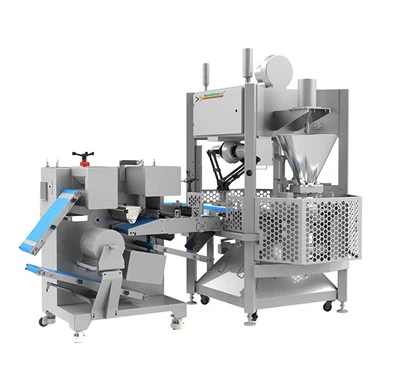
Once the layout is designed, we can also help you with the installation of the equipment and provide ongoing support and maintenance. We’re committed to ensuring that your production line runs smoothly and efficiently.
Shumai Machine If you’re interested in learning more about how we can help you design a layout for your frozen food production line, don’t hesitate to reach out. Contact us to start the conversation and let’s work together to create a production line that takes your business to the next level.
References
- "Food Plant Design and Construction" by the Institute of Food Technologists
- "Frozen Food Technology" by G. Vardamis and P. M. Richardson
- Industry reports on food production line layout best practices.
Chengdu Wonderful Serendipity Food Machinery Co., Ltd.
Chengdu Wonderful Serendipity Food Machinery Co., Ltd. is one of the most professional layout for food production line manufacturers and suppliers in China. If you’re going to buy discount layout for food production line made in China, welcome to get more information from our factory. Also, customized service is available.
Address: No. 51 Tianxiang Road Back Street, Tianxiang Road Community, Wanchun Town, Wenjiang District, Chengdu City, Sichuan Province (206-99)
E-mail: nancy@cdwsfm.com
WebSite: https://www.cdwsfm.com/
