Embarking on the journey to obtain a license for an Analog Ham Radio is an exciting venture that opens up a world of communication possibilities. As a supplier of Analog Ham Radios, I’ve witnessed firsthand the enthusiasm and curiosity that comes with this interest. In this blog, I’ll guide you through the process of getting an Analog Ham Radio license, offering insights and tips based on my experience in the industry. Analog Ham Radio
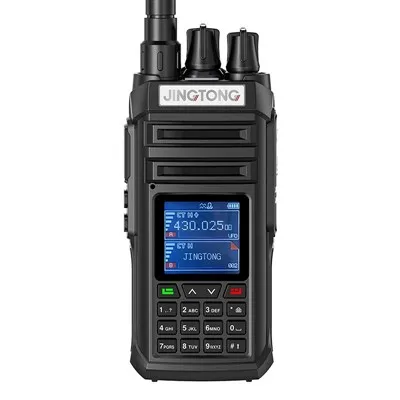
Understanding the Basics of Analog Ham Radio
Analog Ham Radio, also known as amateur radio, has a rich history dating back over a century. It provides a means for individuals to communicate with others around the world, whether it’s for hobbyist purposes, emergency communication, or technical experimentation. Unlike digital communication, analog signals are continuous and can be transmitted over long distances, making them ideal for certain types of communication.
One of the key advantages of analog ham radio is its simplicity. It doesn’t require complex digital equipment or high – speed internet connections, which makes it accessible to a wide range of users. However, to operate an analog ham radio legally, you need to obtain a license from the relevant regulatory authority in your country.
Why You Need a License
The license for an analog ham radio serves several important purposes. Firstly, it ensures that operators have a basic understanding of radio regulations, safety procedures, and operating practices. This helps to maintain a safe and orderly radio environment. Secondly, it allows regulatory authorities to keep track of radio operators and their activities, which is crucial for national security and spectrum management.
Without a license, operating an analog ham radio is illegal in most countries. You could face hefty fines or even imprisonment if caught operating without proper authorization. So, getting a license is not only a legal requirement but also a responsible step for anyone interested in using an analog ham radio.
The Licensing Process
The licensing process for an analog ham radio varies from country to country. In the United States, for example, the Federal Communications Commission (FCC) is responsible for issuing ham radio licenses. The process typically involves the following steps:
1. Study for the Exam
Before you can take the license exam, you need to study the relevant material. There are several resources available to help you prepare, including study guides, online courses, and practice exams. The exam covers topics such as radio theory, regulations, and operating procedures.
The study materials can be quite extensive, but don’t be intimidated. With a structured study plan and consistent effort, you can master the required knowledge. You can start by obtaining a copy of the official study guide from the regulatory authority or a trusted third – party provider.
2. Choose the Right License Class
In most countries, there are different classes of ham radio licenses, each with its own set of privileges and requirements. In the US, there are three main license classes: Technician, General, and Amateur Extra.
- Technician License: This is the entry – level license. It allows you to operate on VHF and UHF frequencies, which are suitable for local communication. It’s a great starting point for beginners.
- General License: With a General license, you gain access to additional frequencies, including HF (High Frequency) bands. HF frequencies can be used for long – distance communication, making it a popular choice for those interested in talking to operators around the world.
- Amateur Extra License: This is the highest – level license. It provides the most extensive privileges, including access to all amateur radio frequencies. It requires a more in – depth knowledge of radio theory and regulations.
3. Take the Exam
Once you feel confident in your knowledge, you can schedule an exam. In the US, exams are administered by Volunteer Examiner Coordinators (VECs). You can find a list of VECs and exam locations on the FCC’s website.
The exam is usually a multiple – choice test, and you need to achieve a certain passing score to obtain your license. After passing the exam, you’ll receive a call sign, which is your unique identifier on the airwaves.
4. Apply for the License
After passing the exam, you need to submit an application to the regulatory authority. In the US, you can apply online through the FCC’s Universal Licensing System (ULS). You’ll need to provide some personal information, including your name, address, and call sign.
Once your application is approved, you’ll officially be a licensed ham radio operator. You can then purchase an analog ham radio from a reputable supplier, like us, and start enjoying the world of amateur radio.
Tips for Success
- Create a Study Schedule: Set aside dedicated time each day or week to study for the exam. Consistency is key when it comes to learning the material.
- Join a Ham Radio Club: Ham radio clubs are a great way to meet other operators, learn from their experiences, and get support during your licensing journey.
- Practice with Real Equipment: If possible, try to get your hands on an analog ham radio and practice operating it. This will give you a better understanding of how the equipment works and how to use it effectively.
Our Role as a Supplier
As an Analog Ham Radio supplier, we understand the importance of having a license. We’re committed to providing our customers with high – quality analog ham radios that are compliant with all relevant regulations. Our team of experts is always available to answer any questions you may have about the licensing process or the operation of our radios.
We offer a wide range of analog ham radios, from entry – level models for beginners to advanced units for experienced operators. Our products are known for their reliability, performance, and ease of use. Whether you’re interested in local communication or long – distance contacts, we have a radio that’s right for you.
Contact Us for Your Analog Ham Radio Needs
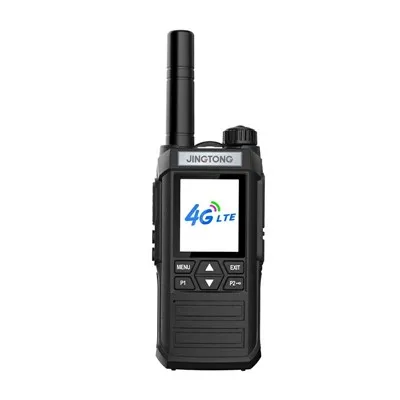
If you’re interested in purchasing an analog ham radio, we invite you to contact us. Our sales team is ready to assist you in choosing the right radio for your needs and budget. We can also provide you with information on the latest models, features, and promotions.
5 Watt Walkie Talkie Embarking on the journey to get a license for an analog ham radio is a rewarding experience. It not only allows you to connect with others around the world but also gives you a deeper understanding of radio technology. With the right preparation and a quality radio from our supply, you’ll be well on your way to enjoying the wonders of amateur radio.
References
- Federal Communications Commission (FCC). (n.d.). Amateur Radio Service. Retrieved from the official FCC website.
- American Radio Relay League (ARRL). (n.d.). Ham Radio Licensing. Retrieved from the ARRL official website.
- Various ham radio study guides and textbooks available in the market.
Jingtong (Quanzhou) Electronics Co., Ltd.
We are one of the most professional analog ham radio manufacturers and suppliers in China, specialized in providing high quality customized service. We warmly welcome you to buy durable analog ham radio made in China here from our factory. For price consultation, contact us.
Address: No.288, Si Huang Industry Zone, Xia Mei Town, Nan An, Quanzhou, Fujian province, China 362302
E-mail: jtdjj@jtdjj.com
WebSite: https://www.jteradio.com/
