If you’re a structural timber supplier like me, you know how much hard work goes into sourcing, milling, and prepping timber for construction projects. There’s nothing more frustrating than watching a perfectly good batch of timber lose its strength, discolor, or crack just because it’s exposed to the sun. UV rays might seem harmless, but they’re one of the biggest silent enemies of structural wood—especially when it’s left outdoors, unprotected. Today, I want to break down how to protect structural timber from UV damage, based on what I’ve learned working with builders, contractors, and testing timber for over a decade. Let’s keep this real, no fancy jargon, just stuff that actually works. Structural Timber
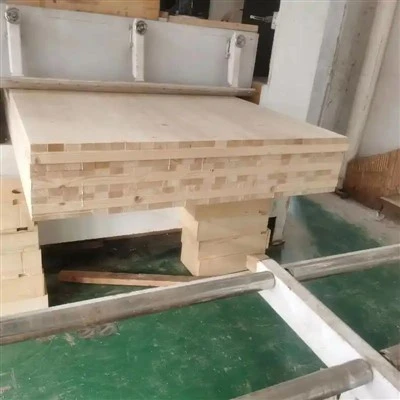
First, let’s get one thing straight: UV rays don’t just make wood look old. They break down the lignin that holds the timber’s cells together. Lignin is like the glue in a wooden table—without it, the wood becomes brittle, porous, and can’t handle the loads it’s supposed to support. Over time, that UV exposure leads to what’s called “graywood” or surface degradation. It starts with a fade, then turns to that chalky gray finish, and eventually, the wood splits or warps. I’ve seen this happen on a construction site where a stack of glulam beams was left in the sun for three weeks before installation—half of them had to be rejected because the surface was too compromised to seal properly. So, protection isn’t just about looks; it’s about keeping your structural integrity intact.
Now, let’s talk about the methods, starting with the most common one that works for most of our clients: coatings. Not all coatings are equal, though. I’ve had customers come to me asking for a cheap paint, and that’s a mistake. Regular interior paint doesn’t have the UV inhibitors wood needs. For structural timber, you want to pick coating types designed for exterior wood, and there are a few main ones we recommend.
First up, oil-based finishes. Wait, not just any oil—penetrating oil finishes. These soak into the wood instead of sitting on top, which is perfect because structural timber doesn’t need a thick film to cover it; it needs protection that gets deep. The good ones have UV stabilizers added—things like benzotriazole, which is a common UV inhibitor that’s actually proven to stop lignin breakdown. We tested this a few years back: we put two identical pieces of Douglas fir timber outside, one with a penetrating oil finish and one with nothing. After 18 months, the uncoated one was gray, had cracks up to a quarter-inch deep, and when we tested its bending strength, it was down 12%. The oil-coated one? Only slightly faded, no cracks, strength was almost unchanged. That’s a big difference. The downside is, oil finishes need reapplication every 2-3 years, especially in sunny climates. But for most builders, that’s manageable, and it’s way cheaper than replacing damaged structural timber.
Then there’s film-forming coatings—like varnish, epoxy, or acrylic latex paint. These create a hard layer on the wood’s surface. Now, I know some guys hate these because they can peel if the wood moves (and timber moves, it expands and contracts with humidity), but if you prep the wood right, they work. The key here is to make sure the coating has UV inhibitors built in. A lot of cheap exterior paints have just a little, so they fade fast. We only use paints with titanium dioxide or hindered amine light stabilizers (HALS)—those are the ones that really block UV. One of our repeat customers builds outdoor decks with structural timber, and they swear by a high-quality acrylic latex with HALS. They touch it up every 5 years, and their beams still look good after 7 years. The trick here is to never apply a film-forming coating to wet wood, and to sand the surface lightly every time you reapply, so the new coat adheres. If you skip sanding, it’ll peel, and then the uncoated spots will get hit with UV.
Wait, there’s also something called semi-transparent stains. These are halfway between oil and paint—they add a little color, let the wood grain show, and have UV inhibitors. A lot of clients go for this because it looks nicer than plain oil, but it’s just as protective, if not more, because the stain is mixed with more inhibitors. We’ve had good results with semi-transparent stains on our pressure-treated structural timber, since pressure-treated wood is already engineered to resist rot, and the stain adds the UV layer. The only thing to watch here is that semi-transparent stains don’t cover imperfections, so if your timber has knots or discoloration that’s already there, it’ll show. But for structural parts that are going to be hidden under siding or trim later, some builders skip the fancy look and just go for solid paint, which is more durable for high-exposure areas.
Next, a lot of people forget about proper installation and storage as a form of UV protection. Wait, that’s not a trick—this is something every structural timber supplier should tell their customers. If you’re holding timber on a job site before installation, don’t stack it in a sunny spot for weeks. Cover it with a breathable tarp, not a plastic one. Plastic traps moisture, which leads to mold, and it can also stick to the wood, causing discoloration. A breathable tarp lets air circulate, so the timber stays dry, and it blocks UV. I always tell my clients: if you can’t install the timber within a week of delivery, cover it. Last year, a small contractor ordered 20 pieces of laminated veneer lumber (LVL) for a house addition, and left them on the back of his truck for 10 days. The side facing the sun was gray and cracked so bad he had to send 8 pieces back. That cost him time and money, and me a little in return shipping, but it’s a mistake I can help him avoid next time. Also, when installing structural timber, try to orient it so the least vulnerable side is facing the sun. The heartwood of the timber is more resistant to UV than the sapwood, so if your beam has a clear heartwood edge, point that towards the sun. It’s a tiny tip, but it adds up.
Another method that’s becoming more popular lately is wood modification. This is a process where timber is heated or treated with chemicals to change its structure, making it more resistant to UV, rot, and moisture. We carry some modified timber now, and it’s a game-changer for projects where the structural wood is going to be fully exposed, like a pergola or a covered bridge. Modified timber has less lignin naturally, so when UV hits, there’s less to break down. It doesn’t even need a coating for 10-15 years, which is a huge plus for builders who don’t want to deal with maintenance. The downside is, it’s a bit more expensive upfront, but over time, it saves money on coatings and repairs. We’ve had a few clients use it for high-visibility structural parts, and they’re really happy with how it’s held up. The only thing to note is that modified timber might need a different type of coating if you do want to add color, so check with the modification provider first—we can help with that, since we work closely with the mills that do the modification.
Wait, what about the wrong ways to protect timber? I hear so many bad tips. One is using interior sealant on exterior timber. That’s a disaster—interior sealant doesn’t have UV inhibitors, so it will peel and crack in a few months, leaving the wood even more exposed. Another mistake is over-sanding. If you sand too much, you remove the top layer of wood that has natural UV protection, so you’re making it more vulnerable. We tell contractors to sand only when they need to, just enough to smooth out rough spots before applying a coating. And don’t skip cleaning the wood before coating. If there’s dirt, mildew, or old coating on the timber, the new stuff won’t stick. A gentle pressure wash (no more than 1500 PSI—too much will damage the wood fibers) and a wood cleaner designed for exterior use, then let it dry for at least 48 hours, is the way to go. We supply wood cleaner to our regular clients, it’s cheap, and it makes a huge difference in how long the coating lasts.
Now, let’s talk about testing, because as a supplier, it’s important that what we sell actually works. We send samples of our structural timber to third-party labs every year to test UV resistance. The lab puts them in a xenon arc weather chamber, which mimics 10 years of UV exposure in just a few months. We’ve found that timber treated with a penetrating oil with UV inhibitors loses only 3% of its strength after that test, while untreated timber loses 14%. That’s a big difference, and it’s why we only recommend products that have those lab results. I can’t tell you how many times a supplier will say their timber is “UV-resistant” but have no proof, so we make sure our claims are backed up by actual data.
For our clients, the best approach depends on their project. If it’s a small residential pergola, modified timber is great for low maintenance. If it’s a commercial building with structural beams hidden under siding, a good semi-transparent stain will look nice and protect the wood. If it’s a bridge or a dock where the timber is fully exposed, go for the high-quality film-forming coating with HALS. And always, don’t skip the storage and installation tips—those are free, but they can save you a lot of hassle.
If you’re a builder, contractor, or architect looking for structural timber that’s already prepped for UV protection, or if you need help choosing the right coating or storage solution, hit us up. We’ve been working with structural timber for years, and we can help you pick the right product for your project, no matter the size. We even offer on-site consultations for larger projects, to check how your timber is being stored and installed, so you don’t end up with damage down the line. Don’t let UV ruin your project—let’s make sure your structural timber stays strong, looks good, and lasts for decades.
Structural Timber References
- United States Department of Agriculture (USDA) Forest Service. Wood Handbook: Wood as an Engineering Material. 2010.
- American Wood Protection Association (AWPA). Standard for Wood Products – Protection against Decay and Insects. 2022.
- Technical Association of the Pulp and Paper Industry (TAPPI). Weathering of Wood and Wood Products. 2019.
- Forest Products Laboratory. “Surface Degradation of Exterior Wood: Mechanisms and Mitigation.” 2021.
Zendekin Low-Carbon Technology Co., Ltd.
We are one of the most professional structural timber manufacturers and suppliers in China. With abundant experience, we warmly welcome you to wholesale customized structural timber from our factory. If you have any enquiry about quotation, please feel free to email us.
Address: Building 3, Yincheng INC Center, No.59 Tianyuan West Road, Jiangning District, Nanjing, Jiangsu, China.
E-mail: zdqeco@163.com
WebSite: https://www.zdqeco.com/
