As a supplier of Hipot Testers, I’ve encountered numerous inquiries from customers about the various features and settings of our products. One question that often arises is about the function of the ramp – up time setting in a Hipot Tester. In this blog, I’ll delve into the details of this important setting, explaining its significance, how it impacts testing, and why it’s a crucial feature for many applications. Hipot Tester

Understanding the Basics of Hipot Testing
Before we jump into the ramp – up time setting, let’s briefly review what a Hipot Tester does. A Hipot Tester, short for High – Potential Tester, is a device used to perform dielectric withstand voltage tests. These tests are designed to check the electrical insulation of a device under test (DUT). By applying a high voltage to the DUT for a specified period, the tester can detect any insulation weaknesses or breakdowns that could lead to electrical shock, short circuits, or other safety hazards.
What is Ramp – Up Time?
Ramp – up time is the duration over which the test voltage in a Hipot Tester gradually increases from zero to the specified test voltage. Instead of instantly applying the full test voltage, the tester ramps up the voltage at a controlled rate. This setting is usually adjustable, allowing users to customize the ramp – up time according to their specific testing requirements.
The Functions of Ramp – Up Time Setting
1. Reducing Stress on the DUT
When a high voltage is applied suddenly to a DUT, it can cause excessive stress on the insulation. This sudden stress may not only damage the insulation but also lead to false test results. For example, a small air gap in the insulation might break down under the sudden high – voltage application, even though the insulation is actually sufficient for normal operation. By using a ramp – up time, the voltage increases gradually, giving the insulation time to adjust to the increasing voltage. This reduces the risk of damage to the DUT and provides more accurate test results.
For instance, in the testing of electronic components with delicate insulation, such as printed circuit boards (PCBs), a sudden application of high voltage can cause over – stress on the board, potentially leading to insulation failure during the test. However, a proper ramp – up time allows the components to gradually adapt to the increasing voltage, minimizing the risk of damage.
2. Detecting Early Insulation Problems
The ramp – up process provides an opportunity to detect early signs of insulation degradation. As the voltage is slowly increased, any weak points in the insulation will start to show symptoms of breakdown earlier. For example, a slight current leakage may occur as the voltage approaches a critical level for a defective insulation area. By monitoring the current during the ramp – up period, testers can identify these early problems and take corrective actions before the full test voltage is applied.
In the case of large electrical machines, such as motors or generators, the slow increase in voltage during the ramp – up time can help detect partial discharges. These partial discharges are often an indication of early insulation degradation and can be detected by analyzing the current flow. If left undetected, these partial discharges can eventually lead to complete insulation failure.
3. Complying with Testing Standards
Many industry standards and regulations require the use of a specific ramp – up time in Hipot testing. For example, in some safety standards for consumer electronics, a gradual increase in test voltage is specified to ensure the safety and reliability of the products. By setting the appropriate ramp – up time, users can ensure that their testing procedures comply with these standards.
Medical equipment manufacturers, for example, must adhere to strict safety standards. The ramp – up time setting in Hipot Testers allows them to perform tests in accordance with these standards, ensuring that the equipment is safe for use in medical environments.
4. Protecting the Hipot Tester Itself
A sudden application of high voltage can also put stress on the Hipot Tester itself. The internal components of the tester, such as the voltage generator and the measurement circuits, may be damaged if the voltage changes too rapidly. By using a ramp – up time, the load on the tester’s components is gradually increased, reducing the risk of damage and extending the lifespan of the equipment.
Factors Affecting the Choice of Ramp – Up Time
When setting the ramp – up time, several factors need to be considered.
1. Type of DUT
The nature of the device under test plays a significant role in determining the appropriate ramp – up time. For example, simple electrical wires may require a relatively short ramp – up time because their insulation is straightforward. On the other hand, complex electronic devices with multiple layers of insulation and different materials may need a longer ramp – up time to ensure accurate testing.
2. Insulation Material
Different insulation materials have different dielectric properties. Some materials can tolerate a faster increase in voltage, while others require a more gradual ramp – up. For example, some modern synthetic insulation materials may have better dielectric strength and can withstand a quicker voltage increase compared to traditional insulating materials like paper.
3. Test Voltage Level
Higher test voltages generally require longer ramp – up times. As the voltage increases, the stress on the insulation also increases, and a longer ramp – up time allows the insulation to adapt more gradually. For example, if the test voltage is very high, say 10 kV or more, a longer ramp – up time may be necessary to prevent sudden insulation breakdown.
Real – World Applications
The ramp – up time setting in Hipot Testers finds applications in a wide range of industries.
1. Electronics Manufacturing
In the production of electronic devices, such as smartphones, laptops, and tablets, Hipot testing with an appropriate ramp – up time is crucial to ensure the quality and safety of the products. The ramp – up time helps to detect any insulation defects in the printed circuit boards, connectors, and other components, preventing potential electrical failures in the final products.
2. Electrical Power Industry
In the electrical power industry, Hipot testing is used to test transformers, switchgear, and other high – voltage equipment. The ramp – up time setting is essential to protect these expensive and critical components from damage during testing. It also helps to detect any insulation problems early, which can prevent costly downtime and maintenance in the long run.
3. Automotive Industry
Automotive manufacturers use Hipot Testers to test the electrical systems in vehicles, including the battery, wiring harnesses, and electric motors. The ramp – up time setting ensures that the testing process does not cause damage to the automotive components and provides reliable results to ensure the safety and performance of the vehicles.
Conclusion
The ramp – up time setting in a Hipot Tester is a vital feature that serves multiple functions. It reduces stress on the device under test, helps detect early insulation problems, ensures compliance with testing standards, and protects the Hipot Tester itself. By carefully considering factors such as the type of DUT, insulation material, and test voltage level, users can choose the appropriate ramp – up time for their specific testing needs.
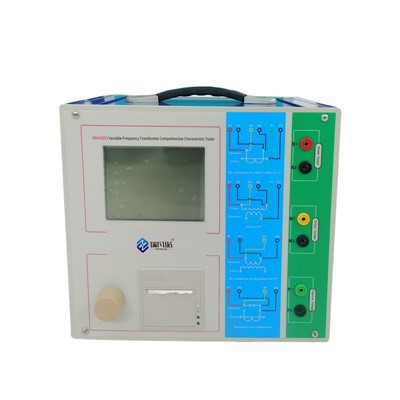
Transformer Tester As a Hipot Tester supplier, we understand the importance of providing high – quality products with accurate and reliable ramp – up time settings. Our Hipot Testers are designed to meet the diverse needs of different industries, offering adjustable ramp – up times to ensure precise and safe testing. If you are in need of a Hipot Tester for your quality control or safety testing requirements, we invite you to contact us for a detailed discussion about your specific needs. Our team of experts is ready to assist you in selecting the most suitable product and providing you with comprehensive technical support.
References
- Electrical Insulation Testing Handbook, various authors
- Industry standards related to Hipot testing, such as IEC standards for electrical safety testing.
Refine On (Hebei) Electric Power Technology Co., Ltd.
Refine On (Hebei) Electric Power Technology Co., Ltd. is one of the most reliable hipot tester manufacturers and suppliers in China, also supports customized service. Please feel free to wholesale advanced hipot tester at competitive price from our factory. Contact us for quotation.
Address: Building 13, Liandong U Valley, No.64, Jing SAN South Street, Economic Development Zone, Mancheng District, Baoding City, China
E-mail: victor@transformer-test.com
WebSite: https://www.transformer-test.com/
