How to Deal with the Blockage Problem of a Wood Pellet Machine?
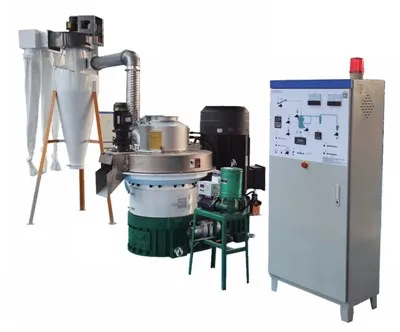
As a seasoned supplier of wood pellet machines, I’ve encountered numerous challenges faced by our customers, one of the most common being the blockage problem. Blockages can halt production, damage the machine, and increase operational costs. In this blog, I’ll share some insights and practical solutions to help you effectively deal with this issue. Wood Pellet Machine
Understanding the Causes of Blockage
1. Raw Material Issues
- Moisture Content: Wood with high moisture content can cause problems during the pelleting process. When the moisture is too high, the material may not compress properly, leading to uneven pellet formation and potential blockages. On the other hand, if the moisture is too low, the material may become too dry and difficult to bind, also increasing the risk of blockage.
- Particle Size: Incorrect particle size of the raw material can be a major cause of blockages. If the particles are too large, they may not fit through the die holes, causing a buildup and eventually blocking the machine. Conversely, if the particles are too fine, they may form a compact mass that can also obstruct the flow.
- Impurities: The presence of foreign objects such as stones, metal pieces, or plastic in the raw material can cause severe blockages. These impurities can get stuck in the die, rollers, or other parts of the machine, preventing the smooth operation of the pelleting process.
2. Machine-Related Factors
- Worn – Out Parts: Over time, the components of the wood pellet machine, such as the dies and rollers, can wear out. Worn – out dies may have enlarged or uneven holes, which can lead to inconsistent pellet quality and blockages. Similarly, worn rollers may not apply enough pressure to the material, causing poor pellet formation and increased chances of blockage.
- Incorrect Adjustment: Improper adjustment of the machine settings, such as the gap between the rollers and the die, can also result in blockages. If the gap is too small, the material may not be able to pass through easily, while a gap that is too large may lead to insufficient compression.
- Lack of Lubrication: Insufficient lubrication of the moving parts can cause excessive friction, which can generate heat and lead to the melting or sticking of the wood material. This can eventually result in blockages within the machine.
Diagnostic Methods
1. Visual Inspection
- Start by visually inspecting the machine for any obvious signs of blockage. Check the feed inlet, the die, and the discharge outlet for any visible buildup of material. Look for any foreign objects that may be stuck in the machine.
- Examine the condition of the dies and rollers. If you notice any signs of wear, such as uneven surfaces or enlarged holes, it may be contributing to the blockage problem.
2. Monitoring Machine Performance
- Pay attention to the motor current and power consumption of the machine. An increase in these values can indicate that the machine is working harder due to a blockage. Also, monitor the pellet output. A decrease in the quantity or quality of the pellets can be a sign of blockage.
- Listen for any unusual noises coming from the machine. Grinding, rattling, or other abnormal sounds may suggest that there is a blockage or a mechanical problem.
Solutions to Blockage Problems
1. Adjusting Raw Materials
- Moisture Control: Use a moisture meter to measure the moisture content of the raw material. Aim for a moisture level of around 10 – 15% for optimal pelleting. If the moisture is too high, you can dry the material using a dryer. Conversely, if it is too low, you can add a small amount of water and mix it thoroughly.
- Particle Size Reduction: Use a hammer mill or a shredder to ensure that the raw material has the appropriate particle size. Generally, the particle size should be around 3 – 5 mm for most wood pellet machines.
- Removing Impurities: Install a magnetic separator or a sieve at the feed inlet to remove any foreign objects from the raw material before it enters the machine.
2. Maintaining and Adjusting the Machine
- Replacing Worn – Out Parts: Regularly inspect the dies and rollers and replace them when they show signs of excessive wear. This will ensure consistent pellet quality and reduce the risk of blockages.
- Proper Adjustment: Follow the manufacturer’s instructions to adjust the gap between the rollers and the die. This will ensure that the material is compressed properly and can pass through the machine smoothly.
- Lubrication: Regularly lubricate all the moving parts of the machine according to the manufacturer’s recommendations. This will reduce friction and prevent the material from sticking to the components.
3. Clearing Blockages Safely
- Shut Down the Machine: Before attempting to clear a blockage, always shut down the machine and disconnect it from the power source to avoid any accidents.
- Manual Removal: Use appropriate tools, such as a wooden rod or a brush, to gently remove the blocked material from the feed inlet, die, or other parts of the machine. Avoid using sharp or metal tools that may damage the machine.
- Reverse Operation: Some wood pellet machines have a reverse function. This can be used to clear minor blockages by reversing the flow of material and dislodging the blockage.
Preventive Measures
1. Regular Maintenance
- Establish a regular maintenance schedule for your wood pellet machine. This includes cleaning the machine after each use, inspecting the components for wear and tear, and lubricating the moving parts.
- Keep a record of the maintenance activities, including the date, type of maintenance, and any parts that were replaced. This will help you track the performance of the machine and identify any potential issues early.
2. Operator Training
- Provide comprehensive training to the machine operators on the proper operation and maintenance of the wood pellet machine. They should be familiar with the correct settings, safety procedures, and how to identify and address blockage problems.
- Encourage operators to report any abnormalities or issues with the machine immediately so that they can be addressed promptly.
3. Quality Control of Raw Materials
- Source high – quality raw materials from reliable suppliers. Conduct regular quality checks on the raw materials to ensure that they meet the specifications required for the pelleting process.
- Store the raw materials in a dry and clean environment to prevent moisture absorption and contamination.
Conclusion
Dealing with the blockage problem of a wood pellet machine requires a combination of understanding the causes, proper diagnostic methods, effective solutions, and preventive measures. By following the tips and techniques outlined in this blog, you can minimize the occurrence of blockages, ensure the smooth operation of your machine, and improve the overall efficiency of your wood pellet production.
Heating Boiler If you are facing any challenges with your wood pellet machine or are interested in purchasing a high – quality machine, I’d be more than happy to assist you. Please feel free to get in touch with me to discuss your specific needs and requirements.
References
- "Wood Pellet Handbook: Production and Use" – A comprehensive guide on wood pellet production, covering various aspects including machine operation and maintenance.
- Manufacturer’s manuals of different wood pellet machines, which provide detailed information on the proper use, adjustment, and maintenance of the machines.
Linyi Metro Machinery Co., Ltd.
As one of the most professional wood pellet machine manufacturers in China, we have world-leading production equipment and strong manufacturing capabilities. Please feel free to buy high quality wood pellet machine for sale here from our factory. Customized orders are welcome.
Address: NO.119,YanAn Road,YiHe New District,Linyi city,Shandong province,China.
E-mail: lovialiu@metromach.com
WebSite: https://www.metromach.com/
