Hey there! If you’ve ever stood in the middle of a theme park’s night show—your chest tight with excitement as a beam of moving head lights snakes through the dark, syncing up with the roar of a roller coaster or the burst of a firework—you’ve probably stopped and thought, “How the hell do they make this look so seamless?” As someone who’s been in the moving head light game for over a decade (I’ve got the calluses on my hands from troubleshooting 20kg fixtures at 2 a.m. in a rain-soaked parking lot, trust me), let me break down exactly what these things do for theme parks, beyond just “look pretty.” Moving Head Light

First off, let’s get one thing straight: theme park lighting isn’t the same as a concert or a Broadway show. Concerts are temporary—you pack up the rigs after the last song. Broadway runs on a fixed set, but theme parks? They’ve got to work from 9 a.m. to midnight, every single day, for months on end, around rides that move 1000 people at a time and crowds that can spill 10 deep. That’s where moving head lights earn their keep. They’re not just light bulbs that spin—they’re multi-tooled, compact stage rigs that can pan, tilt, zoom, change colors, and even project patterns or text in milliseconds. If you’ve never seen one up close, they’re sleek, boxy little beasts that mount on trusses, light towers, or even the side of a roller coaster track (we’ve done that—spooky, in the best way).
Let’s start with the big one: immersion in ride experiences. Take a dark ride, for example—think a haunted house or a alien-invasion coaster that spends two minutes zooming through a jungle temple set. Back in the day, theme parks used static floods and spotlights, right? But static light doesn’t follow the ride vehicle. If your car’s whipping around a corner at 30 mph, a static spotlight on a tree just leaves the driver in the dark. Moving heads? We can sync them to the ride’s motion control system. So when the coaster rounds that turn, a pair of LED moving heads zoom their beams exactly to the car’s path, shifting from emerald to blood red on cue to sell the “dangerous temple” vibe. I worked on a small park’s Indiana Jones-style dark ride a few years back—they were complaining that riders kept saying the props looked “fake” because the light was flat. We swapped their old static lights for IP65-rated moving heads (they can handle spray from jungle water effects, no problem) and added goblets shaped like torches, so the beams looked like they were being carried by unseen guardians. Within a month, ride reviews went from “fun but cheesy” to “so immersive I jumped when a shadow moved.” That’s the power of syncing movement with the light’s movement.
Then there’s the nighttime atmosphere—you know, that part of the park that makes you forget you’ve been walking on your feet for six hours. Theme parks used to rely on string lights and big floodlights, but those are harsh, and they don’t differentiate between the castle and the food stand, or the roller coaster and the restrooms. Moving heads let you zone light like a boss. For example, the castle? We can program moving heads to cast warm, golden beams up its spires, fading from deep amber at the base to pale gold at the top—looks like the sun’s actually setting on it, even if it’s 9 p.m. For the roller coaster, we’ll use cooler, brighter beams that dart along the track, so you can track the car’s movement even when it’s hidden in the tunnel, making the whole ride feel faster and more thrilling. A lot of parks also do “light trails” with moving heads—thin, colored beams that snake across the sky, following the parade route. No more messy, tangled string lights—just sharp, controllable light that disappears when you don’t need it. I remember a Disney park (can’t name names, obviously) that used to have those clunky floodlights around their parade route. They upgraded to moving heads, and suddenly the parade floats looked like they were glowing from within instead of just being lit up. People started taking way better photos, too—because the light hit the float’s details, not just the top.
Wait, let’s not forget interactivity—something that’s huge for theme parks now, because guests love feeling like they’re part of the show. A lot of modern moving heads have built-in DMX512 or even WiFi control, so they can react to guest movements. There’s this smaller park in Florida that installed a “light wall” near their main entrance: 50 moving heads mounted behind a mesh screen. If you wave your hands in front of it, the light beams shift, making patterns or even project your shadow as a monster or a fairy. Kids go crazy for it—they’ll stand there for 20 minutes waving, yelling “MY DRAGON IS BRIGHTER!” That’s something static lights could never do—they’re one-way, just lighting the area. Moving heads can adapt to the guests, turning a quick photo op into a 10-minute memory. And it’s not just for little kids—we’ve done stuff with adult-focused areas too, like a “neon night club” zone near the water rides. Moving heads sync to a low, bass-heavy soundtrack, and when a guest steps on a pressure pad, the light flashes in time with their footsteps, turning the whole zone into a giant dance floor. It’s genius—because it gets people staying longer, spending more money on snacks and photos.
But here’s the thing that most people don’t talk about: maintenance and cost efficiency. Theme parks run on tight budgets, and downtime is a nightmare—if a ride is down, that’s lost revenue. Old stage lights? They burn out all the time, especially if they’re left on 12 hours a day. Moving heads now have LED bulbs that last 50,000+ hours—way longer than the old incandescent or HID bulbs. Also, most moving heads have self-diagnostic software—they’ll send a alert to the maintenance team’s phone if a part is failing, so you can swap it during the off-season or overnight, not when the park is full. I’ve had clients tell me that since they switched to moving heads, their lighting maintenance costs dropped by 40% in the first year. And because they’re adjustable, you don’t have to re-rig the whole truss every time you have a new show or a holiday event. For Halloween, you can program the moving heads to cast blacklight beams and project spooky skulls on the paths. For Christmas, you switch to warm red and green beams, and add snowflake gobos. No need to bring in a whole new crew to hang new lights—just tweak the program. That’s a game-changer for parks that can’t afford to shut down for a week to re-light an area.
Now, let’s get real about the challenges too—because moving heads aren’t perfect for every job. They can be pricey upfront, right? Especially the ones that are weather-proof or can handle high heights. And if you don’t have a good control system, they can look messy—like random beams flying everywhere. I once consulted for a small park that bought cheap off-brand moving heads, and their night show looked like a strobe light had exploded. The panning and tilting was jerky, the colors were mismatched, and the gobos were blurry. So it’s not just about buying any moving heads—you need ones that are precise, have smooth movement, and work with your existing control setup. That’s why we always do a free site assessment for clients—we walk the park, look at the rides, the show areas, the budget, and figure out exactly how many fixtures they need, what kind, and how to program them. No one-size-fits-all here.
Wait, let’s circle back to that first thought I had about the night shows. The best theme park night shows aren’t just about lights—they’re about emotion. When you see a moving head beam sync up with a firework, right as a character on the castle steps out, you feel something. That’s the effect. It’s not just “seeing better”—it’s feeling like you’re inside the story. Last summer, I was at a Six Flags park, and their new moving head light show synced to their roller coaster’s soundtrack. When the coaster did a loop, the moving heads shot a purple beam straight up, like a magic sign that the loop was complete. The crowd cheered so loud, I couldn’t hear the next song. That’s the magic of moving heads—they turn a ride, a walk through a park, into a moment that sticks with you long after you leave.
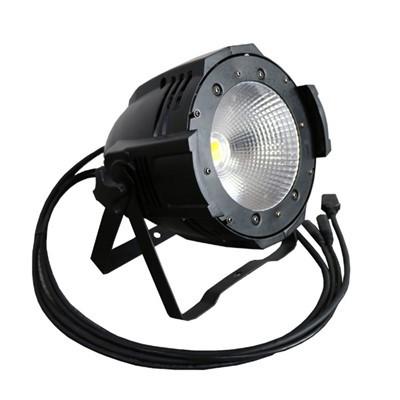
So if you’re a theme park operator, a show designer, or even someone who’s thinking about upgrading your park’s lighting, don’t sleep on moving heads. They’re not just stage equipment—they’re the backbone of modern theme park experiences. Want to chat more about how to fit them into your park? We’ve helped everything from small regional parks to big international resorts, so we know exactly what works (and what doesn’t). Hit us up to talk through your projects, no pressure at all.
Laser Light References
- International Association of Amusement Parks and Attractions (IAAPA). (2022). Lighting Design for Modern Theme Park Rides and Attractions. IAAPA Technical Bulletin.
- Lighting & Sound America. (2023). Moving Head Fixtures: Cost Efficiency and Maintenance for Long-Term Event Spaces.
- US Department of Energy. (2021). LED Lighting Lifespan and Energy Savings for Recreational Facilities.
Guangdong New Start Lighting Co., Ltd.
Guangdong New Start Lighting Co., Ltd. is one of the most professional moving head light manufacturers and suppliers in China. Welcome to wholesale durable moving head light in stock here and get quotation from our factory. All customized products are with high quality and competitive price.
Address: No.2, Hubin Road, Jiaoxin Village, Shimen Street, Baiyun District, Guangzhou, Guangdong, China
E-mail: newstartkate@gmail.com
WebSite: https://www.newstartlighting.com/
