When you’re in the market for used packaging machinery, the last thing you want is to end up with a clunky, unreliable piece of equipment that costs you more in repairs and downtime than it’s worth. As a used packaging machinery supplier, I get asked all the time: “What’s the quality control process for used machines anyway?” It’s not like buying a brand-new line straight from the factory—there’s a lot that goes into making sure a pre-owned machine doesn’t let you down mid-shift. Let me break it down like we’re chatting in the shop, no fancy jargon, just the real deal. Used Packaging Machinery
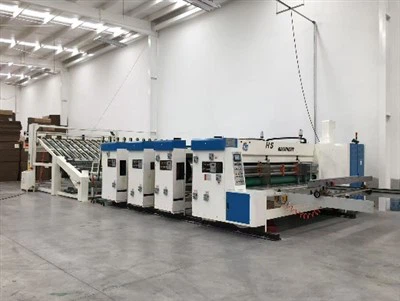
First off, let’s set the scene. Most of the machines we deal with are from factories that upgraded their lines, closed a plant, or downsized their operations. They’re not abandoned junk—they’ve worked hard, but between the dust, wear and tear, and occasional last-minute fixes, they need a thorough check before they even hit our warehouse floor. Our quality control (QC) starts way before a customer comes to look at a machine; it starts the second we pick it up from the seller. That initial step is all about intake inspection, and it’s non-negotiable.
When a machine arrives at our yard, our techs don’t just unload it and leave it. First, we do a visual deep dive—nothing fancy, just walking the whole thing, checking for obvious stuff: bent frames, corroded parts, loose belts, frayed wiring. If it’s a filler machine, we check the valves for gunk buildup from whatever product it was handling. If it’s a case sealer, we look at the tape heads to make sure they’re not worn down so much they won’t stick properly. We also pull the serial number to look up its original specs—like how many cycles it’s supposed to last, what kind of products it was running, and any past service records from the previous owner. That tells us a lot right there: if a 10-year-old machine has 20% of its rated cycles, that’s way different than one that’s at 85%. We flag any that are too beat up, no exceptions—we won’t sell a machine that’s going to break before you even use it a handful of times.
Next up, we tear it down a bit. No, we don’t take it apart completely, but we do pull covers on motors, pumps, and gearboxes to check internal wear. Motors are the heart of any packaging machine—if a motor’s bearings are shot, that machine is dead in the water. We use tools to measure things like bearing play, oil levels in hydraulic systems, and the condition of gears. If we find a part that’s too worn, we replace it before it even gets to the test run. People ask why we don’t just sell it as-is—simple: cutting corners here means you’ll be calling us in 2 weeks saying the machine’s down, and that’s bad for both of us. We’d rather fix it right than deal with headaches later.
Once the machine is put back together, it’s time for the functional test run—and this is where the rubber meets the road. We don’t just turn it on and watch it hum for 5 minutes; we run it for at least 4 hours straight, at 100% speed, with a product that’s as close as possible to what our customer would use. If it’s a candy bar wrapper machine, we run it with dummy candy bars first, then maybe a sample batch of actual product to make sure the seals are tight. For a bottle capper, we test different cap sizes (as long as they’re within the machine’s range) to make sure it’s applying the right torque every time—too loose and caps fall off, too tight and you’ll have a line of damaged bottles. We log every hiccup: a single missed seal, a cap that slipped on, a motor that ran a little hot. If we can fix it during this test run, we do it—even if that means swapping a $10 sensor or adjusting a tensioner. The goal here is to simulate how your line will run, not how the previous owner ran it.
But here’s the thing about used machines: even after all that, we can’t predict every single thing that might come up, so we also do a part and component verification. We keep a stock of common replacement parts for every machine model we sell—belts, seals, sensors, control panels—because if something does go wrong in the first few months, you don’t want to wait 2 weeks for a part to ship from overseas. We also cross-reference the machine’s original manual to make sure all safety features are intact: emergency stops, guard rails, lockout/tagout systems. Packaging machinery can be dangerous if those are messed with, and we won’t sell a machine that’s a safety risk. That’s non-negotiable—no cutting corners on safety, period.
Wait, I should mention something that a lot of other suppliers skip: documentation. When we sell a machine, we don’t just hand you a key and say “good luck.” We give you a full QC report, a copy of the original manual, a list of parts we replaced, and a troubleshooting guide tailored to that specific machine. If it’s a newer model, we even include a digital copy of the control system software updates we installed. That’s huge because a lot of buyers of used machines don’t have the expertise to fix small issues on their own. We want you to have all the info you need to keep the machine running.
Let me give you a quick example of how this works in real life. Last month, we got in a used horizontal flow wrapper from a snack factory. Intake check showed it had 12,000 cycles—right around its midpoint. Visual inspection found the upper pull roller was worn flat, so we ordered a new roller and replaced it. We ran the test run with granola bars (the snack factory’s product) and found the seal temperature was off by 10 degrees, which would have caused leaks. We adjusted the heater bars and ran another 2 hours of steady production, no issues. By the time it went to the customer, they had a machine that was basically as good as new, at a fraction of the cost of a brand-new one. That’s the kind of value we’re going for.
Now, I know some people are skeptical about used machinery. “Why not just buy new?” I get it—new is shiny, no history. But let’s be real: a lot of factories run 24/7, so a brand-new machine will still wear out in 10 years the same as a used one. And with our QC process, you’re not buying a machine that’s been sitting in a field for 5 years—you’re buying a machine that’s been restored and tested to work like it should. Plus, the cost savings are massive: our machines are 30-70% cheaper than new, depending on the model, and if you work with us, you get a 90-day parts warranty on everything we sell. That’s your safety net.
Is there ever a machine we pass on? Absolutely. Last quarter, a seller offered us a 15-year-old carton erector that had been sitting in a warehouse for 8 years. The serial number showed it had 50,000 cycles—way past its rated 30,000. The intake inspection found the main gearbox had metal shavings in it, a sure sign of internal wear. We didn’t even take it to the test run. It went straight to auction for scrap, and we told the seller we couldn’t sell it. That’s how we keep our customers’ trust: we only offer machines we’d buy ourselves.
At the end of the day, quality control for used packaging machinery isn’t just a checklist—it’s about making sure that when our customer turns that machine on, it doesn’t let them down. It’s about knowing the history of the machine, fixing what’s broken, testing it thoroughly, and giving you all the tools you need to run it smoothly. If you’re tired of overpaying for new packaging machinery, or you’ve had bad experiences with used machines in the past, we’re here to change that.

If you’re ready to talk about your needs—whether you need a case sealer, filler, wrapper, or entire line—hit us up to connect and chat through your specific requirements. We can send over QC reports for machines you’re interested in, answer any questions, and get you the right equipment that fits your budget. No pressure, no fancy sales pitches, just honest info about used machines that work.
Cardboard Box Making Machine References
- Industrial Machinery Maintenance: Quality Control Standards for Pre-Owned Equipment, Packaging Technology Association, 2022
- Used Packaging Machinery Inspection Protocols, Machinery Dealers National Association, 2021
- Safety Standards for Packaging Machinery, Occupational Safety and Health Administration, 2020
Guangzhou HS Machinery Co., Ltd.
We’re well-known as one of the leading used packaging machinery manufacturers and suppliers in China. Please feel free to buy cheap used packaging machinery for sale here from our factory. Quality products and low price are available.
Address: Xiaowu 1st Industrial Area, Xiaowu Village, Dongchong Town, Nansha, Guangzhou, China
E-mail: vipmachinery@126.com
WebSite: https://www.cartonboxsolutions.com/
