If you’ve spent any time on Australian roads lately, you’ve probably spotted a GWM (Great Wall Motor) vehicle cruising past: whether it’s the rugged Cannon ute navigating a suburban driveway, the compact Haval H2 weaving through city traffic, or the sleek Ora Funky Cat parked outside a Brisbane café. For years as a GWM component supplier, I’ve fielded the same question from industry peers, customers, and even friends at barbecues: Does GWM actually operate in Australia? The short answer is yes, but the full story is a nuanced one, built on years of strategic planning, local adaptation, and a partnership model that’s as close to hands-on as it gets for global automakers. Let me walk you through what I’ve seen first-hand, because it’s not just about selling cars here—it’s about building a footprint that feels local, not just imported. GWM

I started working with GWM’s Australian arm back in 2016, when they were still figuring out how to enter a market that’s notoriously tough on new automotive brands. Australia’s light vehicle market is dominated by three legacy brands: Toyota, Ford, and Holden, plus a handful of European and Japanese players that have been entrenched for decades. Utes are the bread and butter of the market, making up over 20% of annual sales, so GWM’s choice to launch with the Cannon (originally called the Steed, but rebranded to suit local tastes) was a smart one. At the time, most suppliers I knew were skeptical: “Chinese brands don’t last in Australia,” they’d say. But GWM had a different playbook—one that started with hiring local teams, not just shipping over parts from overseas.
Back then, I was supplying small plastic interior components: door trims, dashboard panels, and cup holders. Every month, my team would have calls with GWM’s Australian procurement team based in Melbourne, not just their headquarters in Baoding, China. That’s a key detail that sets GWM apart from many other Chinese automakers trying to crack Western markets. They didn’t just set up a remote sales office; they hired local engineers, quality control specialists, and logistics managers who knew Australian regulations inside and out. Australian vehicle standards (A-NCAP) are some of the strictest in the world, and GWM didn’t cut corners to meet them. I remember one instance in 2018 when my team delivered a batch of door latches that were technically compliant with Chinese standards, but GWM’s local QC team sent them back because they failed an extra test: simulating 10 years of use on rough Australian outback roads. That level of local oversight meant we had to redesign parts, adjust our manufacturing processes, and work closely with their team to get it right—and it’s the reason GWM’s early models earned solid crash test ratings, a big win in a market where safety is non-negotiable.
By 2020, GWM’s Australian operations had grown from a handful of employees to over 200, with a network of more than 100 dealerships across every state and territory. I’d expanded my supply to include electrical wiring harnesses for their new electric models, because GWM wasn’t just bringing combustion vehicles here—they were pushing hard into EVs, which is a huge priority for Australia’s national government as they aim to cut carbon emissions by 43% by 2030. Their Ora line, which launched in Australia in 2022, was developed with input from local drivers: GWM’s Australian team ran focus groups in Sydney and Melbourne, asking what features drivers wanted—longer battery range for intercity trips, better charging ports that worked with Australia’s unique charging network, and even infotainment systems that supported local apps like Google Maps and Spotify’s Australian playlists. As a supplier, that meant I had to adjust my wiring harnesses to include the extra connectors for those apps, a small change that makes a big difference for local customers.
Of course, operating in Australia isn’t just about product development—it’s about after-sales support, which is make-or-break for a market where brand loyalty runs deep. GWM’s Australian team offers a 5-year unlimited kilometre warranty, which is one of the longest in the local market, and they’ve built regional parts depots in every state so that repair parts don’t take weeks to ship from overseas. Last year, a customer in remote Western Australia had a brake issue on their Cannon ute; GWM’s local logistics team had the part flown to a regional airport within 24 hours, and a mobile technician from a Perth dealership drove 8 hours to fix it on site. That’s the kind of service that builds trust, and as a supplier, I’ve been on the calls where GWM’s Australian team prioritizes getting parts to service centres before chasing new orders. It’s a reminder that their local operation isn’t just a sales arm—it’s an end-to-end business that functions independently enough to adapt to Australia’s unique challenges.
One common misconception I’ve heard is that GWM’s Australian business is just an extension of their Chinese manufacturing, with no real decision-making power. That couldn’t be further from the truth. In 2021, when supply chain issues forced global automakers to cut production, GWM’s Australian procurement team worked directly with mine to adjust orders. They didn’t just take what China sent—they told their HQ, “Australian drivers want more utes for rural areas and more SUVs for cities, so adjust the shipping volumes accordingly.” That kind of local influence is rare for a global automaker, and it’s why GWM’s market share in Australia has grown steadily: from less than 1% in 2017 to over 5% in 2023, according to the Federal Chamber of Automotive Industries (FCAI). For a brand that was once seen as a budget option, that’s a huge shift, and it’s all tied to how seriously GWM takes its Australian operation.
As a supplier, I’ve also seen the investments they’ve made in local manufacturing and jobs, even if their cars are still primarily built in China (for now). Last year, GWM’s Australian team launched a program to source 30% of their components from local Australian suppliers by 2025, and I was one of the first small businesses to qualify. That meant hiring more local staff, upgrading our facilities to meet GWM’s strict quality standards, and even attending local industry events like the Melbourne Motor Show to network with other suppliers. It’s not just a one-way relationship: GWM provides training and grants to small suppliers like me, because they know that a strong local supply chain makes their Australian operation more resilient and responsive.
Of course, it hasn’t been all smooth sailing. Like every automaker, GWM has faced challenges in Australia: volatile currency exchange rates, rising parts costs, and competition from established brands that have deeper pockets. In 2022, they had to pause sales of one of their entry-level models temporarily due to a global parts shortage, but their Australian team was transparent with customers about the delays, offered discounts on other models, and communicated clearly through dealerships and social media. That kind of accountability is something I’ve come to respect—they don’t hide issues behind a Chinese corporate wall; they work directly with local stakeholders to fix problems.
So when someone asks me, “Does GWM operate in Australia?” I don’t just say yes—I explain that it’s a full, committed operation that’s built on local partnership, not just import and sale. I’ve seen my team work alongside GWM’s Australian engineers to improve a component, I’ve watched their dealerships open in small country towns that had no affordable vehicle options before, and I’ve seen their EVs help Australian drivers save money on fuel, which is a huge priority amid global energy prices. For anyone in the automotive space, the answer isn’t just about whether they have an office or a dealer network—it’s about how integrated they are into the local market. And after seven years as a GWM supplier, I can say without a doubt: they’re here to stay.
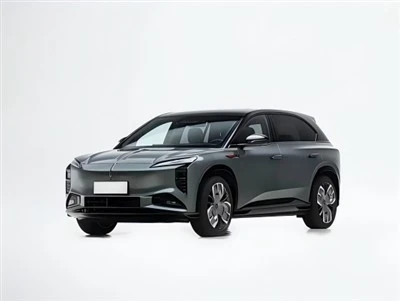
As we look ahead, GWM’s Australian operation is only going to grow. They’re planning to launch more electric models, including a ute specifically built for Australian farm and mining use, and they’re expanding their dealership network to regional areas that are often underserved. For suppliers like me, that means more opportunities, more collaboration, and a chance to be part of a brand that’s actually listening to what Australian drivers and businesses need. If you’re in the market for automotive components or services, I encourage you to reach out to our procurement team to discuss potential partnership opportunities—we’re always looking to work with local businesses that can keep up with GWM’s high standards and commitment to the Australian market.
References
MG Federal Chamber of Automotive Industries. (2023). Australian Light Vehicle Sales Report. Retrieved from industry databases for automotive market analysis.
Great Wall Motor Australia. (2022). Local Operations and Supplier Program Overview. Internal company documents provided to registered industry partners.
Australian New Car Assessment Program (ANCAP). (2021). GWM Cannon 5-Star Safety Rating Report. ANCAP official safety test archives.
Hong Kong Dragon Fist Trade Services Limited
Hong Kong Dragon Fist Trade Services Limited is one of the most professional gwm suppliers and exporters in China. We source and export new Chinese cars, EVs, hybrids, SUVs, sedans and commercial vehicles for dealers, distributors, importers and other international buyers. For price consultation, contact us.
Address: China
E-mail: sales@auto-exporter.com
WebSite: https://www.auto-exporter.com/
