Hey everyone, let’s cut to the chase—if you’re in manufacturing, industrial repair, or heavy equipment ops, you’ve probably run into that annoying, expensive issue: worn-out cylinder bores, engine blocks, hydraulic housings, or gearbox sleeves. You can’t just toss a $10k+ engine because a 2-inch bore’s scored, right? That’s where bore welders come in, and let’s be real—finding a reliable, on-point bore welder isn’t just about fixing a part; it’s about keeping your shop from grinding to a halt. As someone who supplies bore welding gear to shops just like yours, I’ve seen the good, the bad, and the “why didn’t I invest in this sooner” side of these jobs, and I’m here to spill. Bore Welder
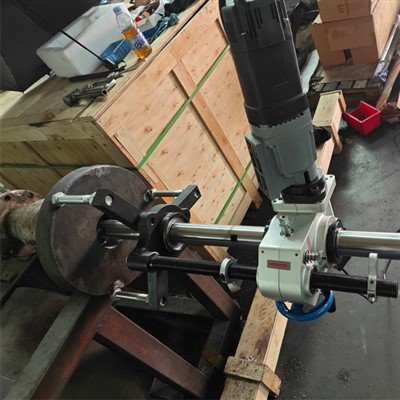
First, let’s get clear what a bore welder actually does—no fancy jargon, promise. A bore is the hollow inner cavity in metal parts: think the holes in a hydraulic cylinder rod, engine cylinders, or even the bearings in a rock crusher. When those get damaged—say, from repeated pressure, rust, or misalignment—you can’t just ream and slap in a new bushing every time; that leads to sloppy fit, leaks, and early part failure. Bore welders (the machines and the folks operating ’em) fill those damaged spots with precision weld metal, then machine the bore back to exact specs. It’s not your run-of-the-mill stick welding—this is high-precision stuff, where a 0.001-inch error can mean a part that works for 6 months vs. 5 years.
Wait, let’s talk about the people behind the machines because that’s the part no one warns you about. A good bore welder operator isn’t just a guy who can run a weld gun. They know metallurgy—like, which weld wire plays nice with cast iron vs. steel vs. aluminum, because if you mismatch that, the bore will crack under pressure before you even bolt the part back on. They also get fit tolerance: hydraulic bores need to hold specific clearances for oil pressure, while engine cylinders need a tight enough seal to keep compression in. I’ve seen shops hire a general welder to do bore work and end up with a part that leaked so bad, they had to take the machine apart a second time—costing way more than a proper bore welding setup would’ve saved.
Now, why are bore welder jobs such a big deal right now? Let’s circle back to that supply chain mess we’ve all dealt with lately. Wait 8 weeks for a new hydraulic cylinder from the OEM? Toss that old one on a bore welder, have it done in 3 days, and get your backhoe up and running. The same goes for construction equipment, agricultural machinery, even marine parts—boats with worn hull bores? Bore welding fixes that without replacing the whole hull. It’s a game-changer for shops that can’t afford downtime, especially with backlogs still lingering from a couple years back.
But here’s the thing I see too often: shops skimp on the machine and end up with shoddy work. When I talk to new customers, half of them say they thought any welder could do bore work—until their first part warped. Warping’s the #1 mistake with bad bore welding, right? If the machine doesn’t control heat input properly, the bore bends, and when you machine it, it’s off-center. A good bore welder has heat control settings that let you weld in small, controlled increments, so the metal expands and contracts evenly. That’s not something a cheap, old import machine can do. We supply machines with auto-heat management, for exactly that reason—shops don’t want to rework a $500 part because they used the wrong gear.
Let’s break down a real scenario, something I got last month. A small construction shop out in Ohio hit us up panicking. Their lead bore welder quit, and they had 3 excavator cylinders due that week for a job on a highway project. They were farming out the work to a third-party shop, which was quoting double what a proper machine would cost, plus a 2-week wait. We helped them pick a mid-range bore welder that’s easy to train on, had a operator that knew metallurgy basics, and they cranked out all 3 cylinders in 5 days, saved over $2k, and didn’t miss the project deadline. That’s the kind of win we’re here for.
Now, what should you look for if you’re hiring a bore welder (or buying a machine for your shop)? Let’s start with the operator’s skills. Don’t just ask “can you weld?”—ask specific questions: “What wire do you use for cast iron cylinder bores?” “How do you prevent warping during welding?” “What tolerance do you hold for a hydraulic bore?” A good operator will rattle off answers, not stumble. For machines, if you’re buying, look for ones with digital heat control, adjustable travel speed, and the ability to handle different bore diameters—some cheap machines only do 4-inch max, and if you need to do engine blocks, that’s useless.
Wait, also, don’t sleep on prep work. Bore welding isn’t just welding on the damaged spot. The operator has to clean the bore, remove all rust and old weld, maybe even machine a slight bevel in the damage so the weld metal bonds properly. Skip that, and the weld will flake off in a week. I once had a customer bring in a part that was “repaired” by a guy who just welded over the rust—we had to grind off all the bad weld, prep it right, and redo the job, which cost him twice as much. Prep is half the battle, and a great bore welder (person or machine) knows that.
Another angle: sustainability. Let’s be real, manufacturing and industrial work has a footprint, but bore welding cuts down on waste so hard. Instead of tossing a perfectly good metal part because of a worn bore, you repair it. That keeps metal out of landfills, reduces the energy used to make a new part, and saves you money. We’ve had shops tell us that switching to in-house bore welding cut their part replacement costs by 40% in a year. That’s not just a business win—it’s a small win for the planet too.
Now, let’s address the myths I hear all the time. Myth 1: Bore welding is too complicated for small shops. Nah, modern bore welders are way user-friendlier than they used to be. We sell entry-level models that come with training modules, so even a welder with basic skills can pick it up in a day. Myth 2: It’s cheaper to buy a new part than repair. That only works if the new part’s cheap. For big parts—like engine blocks for a semi-truck, or hydraulic cylinders for a mining rig—repair costs a fraction of replacement. Myth 3: Any bore welder will do. Nope, like I said earlier, heat control and precision are make-or-break. A $5k machine might do the trick for small bores, but a $15k machine will hold up for heavy-duty industrial work.
Let’s talk about the day-to-day grind for bore welding operators. It’s not the most glamorous job, but it’s critical. You’re working with heavy parts, dealing with fumes, and paying super close attention to details—one wrong move and you’ve wasted a day’s work. But the payoff? When you fire up a repaired cylinder, test it, and it works like new? That’s a good feeling. I’ve talked to a few operators who’ve been doing this for 20+ years, and they say it’s different from regular welding because you’re bringing a part back to life, not just joining two pieces. It’s precision work, and that’s what makes it valuable.
Wait, what about the future of bore welding? With electric equipment becoming more common—electric excavators, electric trucks—their hydraulic systems are still there, just different. Bore welding will still be needed because wear and tear don’t care if the machine runs on gas or electricity. We’re even seeing new materials, like high-strength steel bores, and bore welding machines that can handle those newer materials without issue. It’s not a dying trade—it’s evolving, which is good news for anyone in repair and manufacturing.
Now, if you’re reading this and thinking “we need to level up our bore welding game,” here’s what you should do. First, assess what you’re working on: what size bores do you need to handle? What materials? If you’re doing small agricultural parts, an entry-level machine is fine. If you’re doing heavy industrial engine blocks, you’ll need a more heavy-duty model. Second, don’t skimp on training—even the best machine is useless if your operator doesn’t know how to use it right. And if you’re hiring an operator, ask for proof of their work—ask to see a repaired bore part, check if it’s within tolerance.
As someone who supplies bore welding gear, I get that picking the right machine or operator can be overwhelming. There’s a lot of options out there, and you don’t want to waste money on something that doesn’t fit your needs. That’s why we work with shops to figure out exactly what they need, no sales hype, no pushing overkill gear. We’ve seen too many shops buy a machine that’s too big for their small repair jobs, or too small for their big projects, so we make sure to match you to the right fit.
At the end of the day, bore welder jobs (both the roles and the equipment) are about keeping businesses running. Downtime costs money—lots of it. A well-done bore weld can get a machine back on the job in days, not weeks, and save you thousands in replacement costs. It’s not just a repair service; it’s a lifeline for shops that can’t afford to stop.
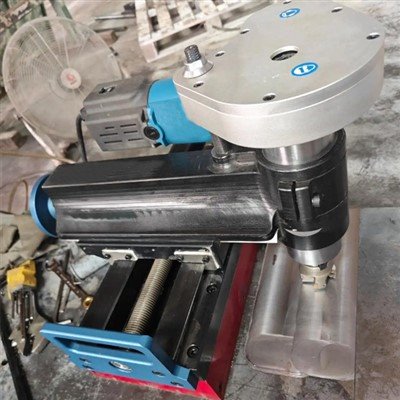
If you’re a shop owner looking to upgrade your bore welding setup, or a welder looking to specialize in this high-demand skill, we’re here to help. We can walk you through machine specs, connect you with operator training resources, or answer any questions you have about what works for your business. Don’t let a worn bore shut down your operation—let’s talk about how we can make bore welding work for you.
Boring Welding References:
- American Welding Society. (2022). Precision Welding for Industrial Component Repair. AWS Publication.
- National Center for Manufacturing Sciences. (2021). Industrial Repair Trends: Bore Welding as a Sustainable Alternative to Replacement. NCMS Report.
- Machinery Lubrication Magazine. (2023). Avoiding Warping and Tolerance Errors in Bore Welding Applications. Industrial Media Inc.
- U.S. Bureau of Labor Statistics. (2024). Welding, Soldering, and Brazing Workers Occupational Outlook Handbook. U.S. Department of Labor.
- Repair and Maintenance Journal. (2022). Cost-Benefit Analysis of In-House Bore Welding for Small to Mid-Sized Shops. Professional Trade Publications.
Shangqiu JDA Machinery Technology Co., Ltd.
With abundant experience, we are one of the most professional bore welder manufacturers and suppliers in China. We warmly welcome you to buy cheap bore welder for sale here from our factory. Quality products and reasonable price are available.
Address: No. 55 Pingyuan Middle Road, Liangyuan District, Shangqiu, Henan, China
E-mail: sales@jdamachines.com
WebSite: https://www.jdamachines.com/
