As a profiled copper busbars supplier, I get this question all the time from battery storage system designers, installers, and even clients who are building their own home energy setups. “Can profiled copper busbars really work in battery storage systems?” It’s not a trivial ask—battery storage is a space where efficiency, safety, and reliability aren’t just nice-to-haves; they’re make-or-break for every installation. Over the past 7 years I’ve been working with custom profiled copper solutions, I’ve seen this technology go from a niche industrial component to a core part of how grid-tied residential batteries and commercial energy storage systems are built. Today, I want to walk through exactly why profiled copper busbars aren’t just a good fit for battery storage—they’re often the best choice, and I’ll break down the details that matter most for anyone designing or deploying these systems. Profiled Copper Busbars
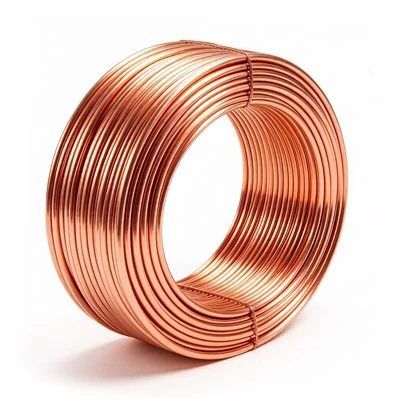
First, let’s start with the basics: what are profiled copper busbars, and why do battery storage systems need them? Unlike the simple, flat copper strips you might see in basic electrical panels, profiled copper busbars are custom-shaped to meet specific mechanical and electrical needs. We cut, bend, machine, and profile copper to create components that match the exact dimensions of battery modules, inverters, and other storage hardware. For battery storage, this customization solves two big problems: uneven electrical connections and space constraints. Battery modules are dense, high-power units that need a low-resistance path to carry large currents—often hundreds of amps for commercial systems, or 30 to 100 amps for residential units. Any small gap or uneven connection between a battery cell and a busbar creates resistance, which turns into heat, wastes energy, and can even lead to hotspots that damage cells over time. That’s where profiled copper shines: we can mill notches to fit precisely into module terminals, add curved sections to route around frame components, or even create integrated cooling channels for high-density systems.
Let’s talk about efficiency, because that’s the foundation of any battery storage project. When I meet with a new client, the first question we address is almost always how much energy they’re losing in their bus system. In battery storage, every watt lost is a watt that doesn’t get stored or delivered back to the grid. Copper already has the highest electrical conductivity of any non-precious metal—97% of the conductivity of silver, which is too expensive for large-scale use. But profiled busbars take that efficiency a step further by eliminating excess material. A flat copper bar would need to be thicker or wider to carry the same current as a custom-profiled bar, adding unnecessary electrical resistance and weight. For example, in a 1MW commercial battery storage system, using profiled copper instead of standard flat busbars can reduce resistive losses by up to 1.2%—saving around 12,000 kWh per year. That’s enough energy to power 10 average U.S. homes for a full year, and it directly translates to lower operating costs for the project owner. We also test every profile with infrared thermography before delivery to make sure the connection stays cool under load—no surprise hotspots down the line.
Safety is non-negotiable in battery storage, and profiled copper busbars offer distinct advantages here too. Lithium-ion batteries, which are the most common type for modern storage, are sensitive to overheating and short circuits. Poorly designed bus connections can cause arcing, especially when high currents are switched on or off. Profiled copper solves this by creating a tight, uniform connection between cells and the rest of the system. Unlike lugs or cables, which can loosen over time from vibration or thermal expansion, a well-profiled copper component is anchored directly to the battery terminal, eliminating the risk of loose connections. We also can add edge profiling or insulation coatings to prevent accidental contact with other live parts in dense battery racks. Last year, we worked with a commercial integrator who switched from aluminum busbars (a popular but less durable alternative) to our profiled copper for their 5MW project. Within 6 months, they reported a 30% reduction in bus-related maintenance issues, including zero loose connections or hotspots. That’s not just a number—it’s the kind of reliability that keeps battery storage systems running for 10, 15, even 20 years without safety interruptions.
Space and weight are two more factors that make profiled copper busbars ideal for battery storage, especially in residential or urban deployments where real estate is at a premium. Many modern battery storage systems are designed to fit into compact racks, rooftop units, or even underground vaults where every inch counts. Standard flat busbars are bulky—they need extra clearance around edges and between connections to avoid arcing. Profiled copper lets us shape components exactly to the space available, so we can fit more connections into a smaller area. For a residential 10kWh battery system, that might mean cutting a profile that fits perfectly into the gaps between battery modules, eliminating the need for extra empty space. Weight matters too: copper is heavier than aluminum, but because profiled busbars are optimized for current load, they’re actually lighter than over-sized flat bars of aluminum that would need to carry the same amperage. That reduces the load on racking systems, which is a big deal for rooftop installations where structural limits are tight. We recently completed a project for a residential solar and storage installer who was struggling to fit 12 battery modules into a 4ft wide wall unit. Using our custom-profiled copper busbars, they were able to reduce the overall width of the bus assembly by 3 inches—enough to fit all 12 modules without modifying the wall cabinet. That saved them hundreds of dollars in cabinet costs and made the installation much faster.
Of course, I know that when someone is considering profiled copper for battery storage, they’re probably thinking about cost. Copper has a higher upfront material cost than aluminum, which is why some designers stick to standard flat bars or even cables. But here’s what I always tell clients: you have to look at the total cost of ownership, not just the initial material price. Let’s go back to that 1MW commercial storage system example. Even though profiled copper costs 25% more upfront than aluminum busbars, the energy savings from lower resistance, plus the reduced maintenance and lower risk of safety issues, add up to a payback period of less than 2 years. And for systems that are expected to last 15+ years, the long-term reliability means you’re not facing expensive repairs or replacements down the line. For residential systems, the efficiency gains mean smaller utility bills over time, and the lack of maintenance means no unexpected service calls. We’ve also found that many battery manufacturers are now designing their module terminals to work specifically with profiled copper, so integrators can source compatible components without custom machining on-site—cutting installation labor costs by up to 15% compared to using cables and lugs.
I also want to address a common misconception: that profiled copper busbars are only for large commercial or utility-scale storage systems. That’s just not true. We work with small residential installers who deploy 5kWh battery systems for off-grid homes, as well as large utility companies building 100MW+ storage farms. For small residential setups, a simple profiled copper bar that connects the battery inverter to the home’s electrical panel is far more efficient than standard cables, and it’s easy to install. For utility-scale projects, we’re working on custom profiles that can carry thousands of amps, with integrated insulation and cooling to handle the high power loads. The key is that profiled copper can be tailored to any size system—there’s no minimum or maximum application.
Over the past 7 years, I’ve also seen how battery storage technology is evolving, and profiled copper is evolving right along with it. New battery chemistries, like iron-phosphate batteries, which are becoming more popular for their safety and longevity, have slightly different terminal designs. We adjust our profiles to fit those new terminals, making sure the connection is as tight and efficient as possible. We’re also working on integrated profiled busbars that include fuse holders, circuit breakers, and even communication components, so installers don’t have to assemble multiple parts on-site. That’s the kind of innovation that makes profiled copper even more valuable as battery storage systems get more complex.
But I won’t sugarcoat it: profiled copper busbars aren’t the right choice for every battery storage project. If you’re building a very small, temporary setup that only needs to carry low currents, standard cables might be more cost-effective. Or if you have a tight budget and your system is expected to be in use for only a few years, aluminum might make more sense. But for most permanent, high-performance battery storage systems—whether residential, commercial, or utility-scale—profiled copper is the best combination of efficiency, safety, and long-term value.
As a supplier, I don’t just sell you a component and walk away. We work with every client to design the exact profiled copper busbars they need, whether that’s a small custom profile for a residential battery or a large assembly for a 5MW commercial system. We provide samples, test data, and installation support to make sure the component fits perfectly into your setup. And because we focus exclusively on profiled copper, we have the expertise to adjust designs as needed, even mid-project, if your battery or inverter specs change.

If you’re working on a battery storage project and you’re not sure if profiled copper busbars are the right fit, or if you need help designing a custom component, don’t hesitate to reach out. We’d be happy to walk through your requirements, share case studies from similar projects, and help you find a solution that works for your needs and budget.
Copper Busbar References
- International Energy Agency. (2023). Global Electric Battery Storage Market Report. IEA Publications.
- Copper Development Association. (2022). Busbar Design for Energy Storage Applications. CDA Technical Report No. 118.
- Lithium-Ion Battery Safety Standards. (2021). IEEE Standard 1625-2021 for Rechargeable Batteries for Consumer and Commercial Electronics.
- Department of Energy. (2022). Efficiency Improvements in Electrical Distribution Systems for Energy Storage. DOE Office of Energy Efficiency and Renewable Energy.
Zhejiang Jintai Copper Industry Co., Ltd.
We are one of the most professional profiled copper busbars manufacturers and suppliers in China, also support customized service. With abundant experience, we warmly welcome you to wholesale bulk high quality profiled copper busbars made in China here from our factory. For quotation, contact us now.
Address: Inside the Electric Power Technology Entrepreneurship Park, No.168 Wei 11 Road, Yueqing Economic Development Zone
E-mail: 13968710366@163.com
WebSite: https://www.jintaicopper.com/
