If you’re in the market for a brush tufting machine—whether you’re a small business owner looking to expand your wood bristle brush line, a factory manager upgrading production for industrial cleaning brushes, or an entrepreneur just stepping into the brush manufacturing space—choosing the right supplier is half the battle. As someone who’s spent over a decade designing, building, and refining these machines, I’ve seen too many buyers make costly mistakes: rushing into a purchase without verifying support, getting stuck with outdated equipment that can’t keep up with modern demand, or ending up with a machine that doesn’t align with their specific product needs. This post is my guide to cutting through the noise and finding a supplier that will not only deliver a quality machine, but stand by it every step of the way. Brush Tufting Machine
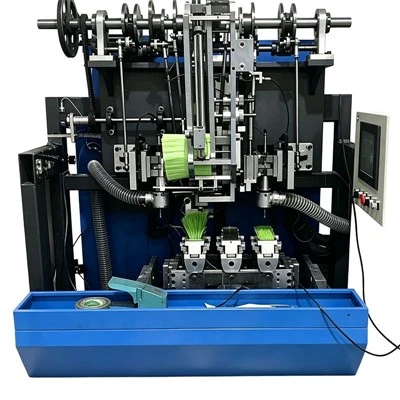
First, let’s get clear on what a brush tufting machine actually does, because that’s foundational to choosing the right source. A tufting machine punches bristles (often nylon, polyester, or wood) into a base material—usually plastic or wooden brush blanks—and binds them tightly to create a usable brush. Some machines are designed for small, handheld production for hobbyists or boutique brands, while industrial models can run 24/7, produce hundreds of brushes an hour, and handle large-scale orders for cleaning, automotive, or industrial applications. The machine’s speed, needle count, bristle length adjustability, and ability to switch between bristle types are all critical features, and not every supplier offers machines tailored to your exact needs.
So where do you start your search? I’d break it down into three main categories: specialized brush manufacturing equipment suppliers, general textile machinery dealers, and custom machine builders. Each has pros and cons, and depending on your budget, production volume, and unique requirements, one might be a far better fit than the others.
Specialized brush tufting machine suppliers are by far the best option for most buyers, in my experience. These are companies that focus exclusively on equipment for brush production—no mixing in textile looms or unrelated machinery. Why does that matter? They understand the specific challenges of brush making: bristle alignment, consistent tension to prevent bristles from falling out, easy tool changes for different brush sizes, and compliance with safety standards for operating in manufacturing environments. As a specialized supplier, we spend every day refining our tufting machines to solve these exact problems, not just repurposing equipment from another industry. For example, a lot of general textile machine suppliers will sell you a modified carpet tufting machine, which might work for large, low-density brushes but will struggle with the smaller, tighter tuft patterns common in makeup brushes, dental brushes, or fine detail cleaning brushes. Specialized suppliers also typically offer tailored support: they know which models work for small-batch production for craft brands, which can scale up to 10,000 units a month for commercial orders, and which are built for low-wage regions versus high-automation facilities.
When vetting specialized suppliers, don’t just look at their machine prices—look at their end-to-end support. A tufting machine is a complex piece of equipment, and even the best machines will need maintenance, part replacements, or adjustments as your production changes. The last thing you want is to be stuck with a broken machine and a supplier that takes two weeks to ship a replacement part, or refuses to walk you through a repair over a video call. At our company, we offer on-site training for factory managers, 24/7 technical support (even for customers in different time zones), and a stock of common spare parts on hand so we can ship them within 48 hours. I’ve seen buyers save a few hundred dollars on a machine from a cheap overseas supplier, only to lose thousands in downtime when a broken needle part took three weeks to arrive. That’s a mistake you can easily avoid by prioritizing support over a low upfront cost.
Next, if you’re a small business owner or hobbyist just testing the waters of brush making, or if you have extremely unique custom needs, custom machine builders might be the way to go. These are technicians or small firms that will build a tufting machine from scratch to your exact specifications—say, a machine that can tuft both wooden bristles and metal wires for heavy-duty industrial brushes, or a compact model that fits on a small workshop table for small-batch boutique products. The downside here is cost: custom machines are almost always more expensive than off-the-shelf models from specialized suppliers, and they may lack the reliability and testing that a mass-produced industrial machine has. A custom machine built in a small garage might work for a small run, but it won’t have the safety features, speed, or consistency you need for long-term, high-volume production. That said, if your needs are one-of-a-kind, a reputable custom builder can be a game-changer—just make sure to ask for references from other brush makers they’ve built machines for, and test a prototype if possible before committing.
General machinery dealers are the last group, and I’d caution against them for most brush tufting needs. While you might find a used tufting machine at a discount here, most general dealers don’t have deep expertise in brush equipment. They might not be able to tell you if a used machine is worn out, what parts it needs, or if it can even handle the type of brushes you want to make. That’s not to say there aren’t good used options out there, but if you’re buying for the first time, the risk of hidden costs or broken equipment is too high. If you do go the used route, stick to dealers that specialize in industrial machinery and can offer some kind of warranty, and always have an experienced technician inspect the machine before you buy.
Now, what specific questions should you ask any supplier before you make a decision? I’ve put together a list of non-negotiable questions that’ll help you weed out the good suppliers from the ones that don’t have your best interests in mind. First: “What types of brushes is this machine designed to produce?” A good supplier will be able to show you examples of machines they’ve built for brush types similar to yours—if you’re making makeup brushes, and they only have experience with industrial scrub brushes, that’s a red flag. Second: “What kind of training and support do you offer after purchase?” Don’t just take their word for it—ask for a reference from a customer who bought a machine from them six months ago, and ask that customer about their experience with support. Third: “What spare parts are included, and how quickly can you ship replacement parts?” A reliable supplier will include a starter kit of common parts (needles, threaders, belts) and have a clear shipping timeline for replacements. Fourth: “Can you customize the machine for my specific needs?” If you need to adjust bristle length, add a safety guard, or increase the number of needles, a good supplier will be open to small modifications, not just offer a one-size-fits-all model. Fifth: “What is the machine’s output speed and power consumption?” If you’re running a factory, speed translates to revenue, and power costs add up over time—you don’t want a machine that’s too slow or uses way more electricity than necessary.
Another big factor to consider is after-sales service, which I can’t emphasize enough. Brush tufting machines have moving parts that wear down over time, and as you change your product line, you’ll likely need to adjust the machine’s settings. A few years back, we had a customer who bought a machine from another supplier; when they tried switching from nylon bristles to polyester, the machine wouldn’t adjust the tension correctly, and the supplier told them to send the machine back at their own cost for a $1,500 service call. That customer ended up switching to our machine, and we walked them through the tension adjustment over a free video call in 10 minutes. That’s the difference between a supplier that sees you as a sale and one that sees you as a long-term partner.
If you’re a small business or startup on a budget, you might be tempted to go for the cheapest option, but I’d encourage you to look at total cost of ownership, not just the upfront price. A $5,000 machine from a low-cost supplier might seem like a steal, but if it breaks every month and requires $1,000 in repairs each time, it’ll end up costing you way more than a $8,000 machine from a specialized supplier that only needs maintenance once a year. Also, a good supplier will often offer financing or flexible payment plans, which can make a quality machine accessible even if you’re just starting out.
Finally, don’t sleep on certifications and safety standards. Industrial tufting machines have moving parts (needles that punch through materials, motors that run at high speeds) that can be dangerous if not built to proper safety standards. A reputable supplier will have their machines certified for safety in your region—whether that’s CE certification for Europe, OSHA compliance for the U.S., or other local standards. Cheap, uncertified machines might save you money, but they pose a safety risk to your workers and can lead to fines from regulatory bodies.
At the end of the day, the right brush tufting machine supplier isn’t just someone who sells you equipment—they’re someone who understands your business, anticipates your needs, and stands by their product through every stage of your growth. If you’re ready to explore machines tailored to your specific brush production goals, or you have questions about which model fits your budget and volume, I’d encourage you to reach out for a detailed consultation. Whether you’re a small boutique brand making a few hundred brushes a month or a large factory producing tens of thousands, we can help you find the right solution for your needs.
Handle Making Machine References
- Industrial Brush Manufacturing: Equipment and Best Practices, National Association of Cleanable Products, 2022
- Safety Standards for Industrial Textile and Brush Machinery, Occupational Safety and Health Administration (OSHA), 2021
- Small Business Guide to Scaling Brush Production, Small Business Administration Office of Manufacturing, 2023
- Tufting Machine Maintenance for Consistent Brush Production, International Brush and Tool Association, 2020
Tongcheng Shengfeng Machinery Factory
As one of the most professional brush tufting machine manufacturers and suppliers in China, we’re featured by quality products and good service. Please rest assured to buy durable brush tufting machine for sale here from our factory. Contact us for more details.
Address: Shapu Village, Qingcao Town, Tongcheng City, Anhui Province
E-mail: 15955686317@163.com
WebSite: https://www.shengfengmachine.com/
