Hey everyone, let’s cut to the chase—if you’re here scrolling, you’re probably either looking to upgrade your brand’s outdoor ad setup, fixing a weather-busted display you bought from some random seller, or just plain curious if those bright outdoor LED screens actually survive rain, snow, and whatever else Mother Nature throws at ’em. As someone who’s spent the last 7 years as an outdoor LED display supplier, I get the confusion. A lot of folks think “outdoor” just means “can handle a little mist,” but nah—there’s a whole science behind why some displays make it through a monsoon and others turn into a giant paperweight after one light drizzle. Outdoor LED Display
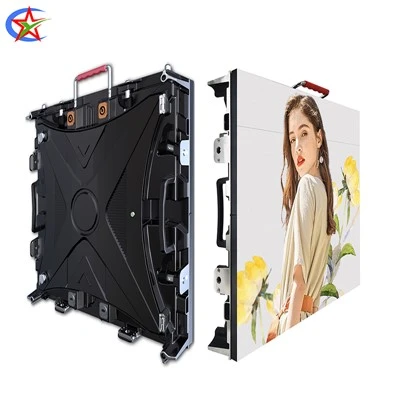
First off, let’s kill a common myth: no, not all outdoor LED displays are 100% waterproof. Wait, hold up—don’t bail yet. That’s not a gotcha, it’s just how the industry works. The terms “waterproof” and “water-resistant” get thrown around way too loosely, and that’s where most people mess up. When I’m walking new clients through options, I start with IP ratings—those little codes you see on tech specs that everyone skips. Let’s break that down in plain English, no jargon. The IP (Ingress Protection) rating has two numbers: the first is solids (dust, dirt, bugs), the second is liquids (rain, sprinklers, full-on submersion). For outdoor LED displays, the sweet spot is IP65 or higher. IP65 means dust-tight (no dirt getting in to fry the circuits) and protected against low-pressure water jets from any direction—so that’s a heavy downpour, not a light sprinkle. IP67 is even better; that one means you can submerge it up to 1 meter for 30 minutes, perfect for coastal areas where salt spray and high tides are a thing. Here’s the kicker: anything below IP65? That’s basically indoor display with a coat of “outdoor paint.” I’ve seen clients buy the cheap IP62 display off Amazon, stick it outside for a concert, and by showtime, it’s flickering like a bad disco ball. Don’t do that.
Now, why does water kill some displays and not others? It all comes down to how the display is built, and I’m talking nitty-gritty stuff that suppliers hide in fine print. Let’s start with the LED modules themselves. Good suppliers (that’s us, obviously) use conformal coating on every circuit board—this thin, clear layer of resin seals the tiny solder points and chips so water can’t touch ’em. Cheap no-name suppliers skip this to cut costs, so even if the module says “water-resistant,” a single raindrop can seep through a tiny gap and short out the whole thing. Then there’s the cabinet: the metal (usually aluminum, not flimsy steel) box that holds the modules. For outdoor use, cabinets need rubber gaskets between every seam—no exceptions. I’ve had a client come to me last year with a display that died after a week of rain, and when we opened the cabinet, the gasket was torn because the old supplier tried to save 2 cents per cabinet by using thin rubber instead of EPDM (the stuff that actually holds up to UV rays and temperature swings). If there’s even a hairline gap between gaskets, water gets in. Also, the cables—those little wires that connect the modules. We use IP67-rated connectors that are waterproof, but cheap suppliers use regular plastic connectors that leak after a year. That’s why your display works for the first 6 months, then craps out when it rains.
Wait, but what about if my display is exposed to really heavy rain, like a tropical storm? Let’s get real. I had a client in Miami who runs a billboard for a beach resort, and last hurricane season, their IP65 display didn’t skip a pixel. But the old supplier they used before me had an IP63 display that flooded during the same storm. Here’s the thing: IP65 is the minimum for most outdoor setups (retail billboards, event displays, restaurant drive-thru signs), but if you’re in an area with extreme weather—think monsoons in India, blizzards in Canada, salt air near the ocean—you need IP67. I don’t sell cheap displays that don’t stand up, and if a client asks for a budget option, I’m upfront about what it can handle: IP65 is great for average rain, but it’s not meant for full submersion. No point lying to make a sale, right?
Another thing people forget: ventilation. Wait, ventilation and waterproof? How does that work? Outdoor LEDs get hot—like, really hot, especially in the summer. If a display is totally sealed, the heat can build up, damage the LEDs, and even cause the cabinet to warp. So good outdoor displays have a way to let air out without letting water in—called a breather valve. We use these tiny, membrane-covered valves that let heat escape (so the display stays cool) but block water, dust, and bugs. Some cheap suppliers skip the breather, so either the display overheats and dies, or it’s sealed so tight that when it rains, the pressure build-up pushes water through tiny gaps. I’ve seen that too—one display client’s top row of LEDs died because the cabinet got so hot in July that it expanded, and without a breather, the rain that came in during August couldn’t escape, so it sat there and fried the modules. Ugh.
Now, let’s talk about the “myth of total waterproofness.” A lot of buyers ask me, “Can I just hose down my display to clean it?” And I say, only if it’s IP67. IP65 is protected against water jets, but if you blast it with a pressure washer, that’s high-pressure water that can force its way through the seams. Same with submerging it—unless it’s IP67, don’t throw it in a pool. I had a client try to clean their cheap IP64 display with a pressure washer, and the water seeped into the control box, killing the whole system. Not a good look for a local coffee shop that hosts outdoor trivia nights.
So, how do you pick a waterproof outdoor LED display that actually works? Let’s break this down into 3 simple steps, no confusing jargon:
- Check the IP rating: Stick to IP65 minimum, IP67 for harsh weather. If the seller won’t tell you the IP rating, walk away. That’s a red flag.
- Ask about the build: Do they use conformal coating, EPDM gaskets, IP67 connectors, and breather valves? If they hem and haw, they’re cutting corners.
- Get samples if you can: I send free 10×10 inch module samples to new clients so they can test them—spray a water hose on it for 10 minutes, look at the circuit board. If there’s any moisture, you know the supplier is bad.
Now, let’s talk about common use cases, so you know what you need. If you’re a local restaurant with a drive-thru sign that gets hit with rain every afternoon, IP65 is perfect. If you’re a concert company that sets up displays at outdoor festivals where rain is unpredictable, IP65 is still fine—just cover it if there’s a heavy storm warning. If you’re a coastal retail store in Florida, or a ski resort where snow and ice are a thing, go for IP67. I had a ski resort client last winter, their IP67 display survived 3 feet of snow and a -10 degree week, no issues.
Wait, but what about maintenance? Even a top-tier IP67 display needs a little upkeep to stay waterproof. Every 6 months, you should check the gaskets for tears, and make sure the breather valve isn’t clogged with dust or grime. I send a free maintenance guide to all my clients, and I offer yearly check-ups if they want—no charge, because I care about my work, not just one sale. I’ve had clients use their displays for 5+ years with zero water damage, and that’s the goal, right?
Let me be honest with you—there are a lot of bad suppliers out there selling “outdoor LED displays” that are basically indoor displays with a fake IP sticker. I had a client come to me 2 years ago who bought a display from a supplier in China (no shade, but a lot of no-name ones cut costs) that said IP65, but when we tested it, it was IP52—only protected against water drops, not rain. He lost $12,000 because the display died at a national sports event he was sponsoring. That’s why I’m upfront with clients—if you need a display that’s actually waterproof, we build ’em to last. No fine print, no hidden fees, no cheap corners.
So, to circle back: Are outdoor LED displays waterproof? The answer is, “Depends on the build, but a good one is water-resistant enough to handle whatever regular outdoor weather throws at it.” If a supplier tells you their display is 100% completely waterproof, run. Because even the highest IP rating doesn’t mean you can leave it submerged for weeks or blast it with a pressure washer 24/7. It’s about balance—build it to seal out moisture, let it breathe to prevent overheating, and maintain it so those gaskets stay intact.

If you’re in the market for an outdoor LED display, whether it’s for a billboard, event, drive-thru, or retail space, I’d love to walk you through the options. We’ve got IP65 and IP67 displays, custom sizes, and we can even build something specific for your needs—like a display for a beachfront location that’s salt-resistant, or a large-scale display for a music festival that’s easy to transport. Just hit us up to chat, no pressure, no sales pitch that’s too pushy.
Novastar Control System Reference
- International Electrotechnical Commission. (2019). IEC 60529: Degrees of protection provided by enclosures (IP Code).
- LED Industry Association. (2022). Outdoor LED Display Environmental Durability Standards.
- National Weather Service. (2021). Extreme Weather Guidelines for Outdoor Digital Displays.
Shenzhen Starcolor Optoelectronics Co., Ltd.
As one of the most professional outdoor led display manufacturers and suppliers in China, we’re featured by quality products and good price. Please rest assured to wholesale discount outdoor led display in stock here from our factory. Customized orders are welcome.
Address: 2nd floor, Building A, Hongjingda Industrial Park, Shiyan town, Bao’an District, Shenzhen
E-mail: starcolorled@outlook.com
WebSite: https://www.starcolordisplay.com/
