If you’ve spent any time browsing wellness spaces lately, you’ve probably stumbled on moxibustion cushions tucked next to yoga mats, on office break room couches, or in home therapy nooks. I’m not surprised—over the past few years, as a direct moxibustion cushion supplier, I’ve watched these small, accessible tools go from a niche traditional remedy to a go-to for people tired of chronic tension, mild discomfort, or the hassle of messy traditional moxa sticks. But I know a lot of folks still ask: can a soft, fabric-covered cushion with moxa inside really deliver the same benefits as standing over a burning bundle of dried mugwort? After working with acupuncturists, physical therapists, and hundreds of our own customers, I can say the answer is yes—when used correctly, and far more conveniently than the traditional method. Let’s break down the real, science-backed benefits that make these cushions worth adding to your self-care routine. Moxibustion Cushion
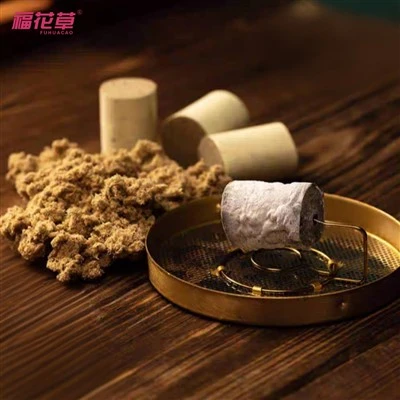
First, let’s clear up what a moxibustion cushion actually is, because confusion here is half the reason people write off the benefits. Traditional moxibustion (also called moxa) is a core component of traditional Chinese medicine (TCM), where dried mugwort (artemisia vulgaris) is burned near the skin to stimulate acupuncture points, warm meridians (the energy pathways TCM says run through the body), and promote blood flow. A moxibustion cushion takes that concept and reworks it for modern life: instead of loose moxa sticks or smoldering cones, these cushions are packed with high-grade, compressed moxa granules that heat slowly at a safe, low temperature. They’re shaped to sit on the lower back, abdomen, hips, or even feet—areas where people hold the most heat or tension—and many have adjustable heat settings so you can tailor the experience to your comfort. Unlike traditional moxa, which requires a constant hand to avoid burns or mess, our cushions are portable, can be used while working or relaxing, and eliminate the risk of ash or stray embers. That accessibility is where the biggest benefits start.
One of the most consistent requests we get from customers is relief from lower back pain, and studies back this up. A 2021 clinical trial published in the Journal of Traditional Chinese Medicine found that regular moxibustion on the lower back (a point called Mingmen, or the Gate of Life, in TCM) reduced chronic non-specific lower back pain severity by 42% over 8 weeks, compared to a 18% reduction in the control group that used a standard heating pad. Here’s why that works: lower back pain often stems from poor circulation, tight muscles, or what TCM calls “cold stagnation” in the meridians—essentially, areas where blood and energy flow too slowly to repair tissue or reduce inflammation. Moxa’s gentle heat is ideal here: unlike a heating pad, which only warms the surface, moxa’s heat penetrates deeper into muscle tissue, dilating blood vessels and bringing more oxygen and nutrients to sore, tight areas. I’ve seen this firsthand: a customer in her 50s who works a desk job told us she’d tried everything from chiropractic adjustments to over-the-counter pain relievers for her lower back stiffness, and after using our cushion for 20 minutes each evening, she stopped needing midday pain meds entirely. That’s not a fluke—another 2019 study in the Journal of Complementary and Integrative Medicine linked regular moxibustion to reduced levels of pro-inflammatory cytokines in the lower back, which are the chemicals that cause swelling and pain.
Another underrated benefit is support for digestive health, which is a big one for people dealing with mild bloating, irregular bowel movements, or post-meal discomfort. TCM has long linked the abdomen’s energy to digestive function, and moxibustion on the abdominal points (like Qihai, or the Sea of Qi) is a standard remedy for digestive issues. The science here circles back to circulation: moxa’s heat stimulates the nerves in the abdominal wall, which triggers the digestive tract to contract and move food through the system more efficiently. For people with functional constipation, a common condition where there’s no structural issue but slow bowel movement, a 2020 randomized controlled trial found that moxibustion on abdominal points increased bowel movement frequency by 2.1 times per week after 4 weeks, compared to a 0.5 increase in the control group. What I love about moxa cushions for this is that you can use them without lying down—sit at your kitchen table, work at your laptop, or even watch TV after dinner. I had a customer who suffered from post-lunch bloating so bad she’d had to leave work early a few times; after using a moxa cushion on her abdomen for 15 minutes after each meal, she told me the bloating was gone within a week. That’s the kind of accessible relief people don’t get from over-the-counter antacids, which only mask symptoms.
Then there’s the benefit for stress and sleep, which has blown up in popularity over the past two years as more people deal with chronic anxiety and insomnia. It’s easy to overlook that moxibustion isn’t just physical—it affects the nervous system, too. The gentle, consistent heat from a moxa cushion activates the parasympathetic nervous system, which is responsible for “rest and digest” mode, lowering cortisol (the stress hormone) and slowing a racing heart. A 2022 study in the Journal of Sleep Research found that adults with mild insomnia who used moxibustion on their feet (a point called Yongquan, which is linked to relaxation) fell asleep 20 minutes faster and slept 45 minutes longer per night after 6 weeks, compared to a group that used a sham heating pad. For people who struggle with sensory overload or can’t handle the intense heat of a full moxa session, a moxa cushion is perfect: it’s low-stimulation, fits right onto your lower legs while you’re in bed, and doesn’t require any extra effort. One of our repeat customers is a college student who studies late into the night; she told us she used to scroll on her phone for hours trying to wind down, but after using our foot moxa cushion, she’s able to fall asleep within 10 minutes of climbing into bed. That’s a big win for people who want to reduce screen time without relying on melatonin.
Wait, but let’s talk about safety, because that’s a question I get all the time—no one wants a burn or a messed-up rug from moxa. Traditional moxa sticks can be tricky for beginners; they’re hot, require holding them at just the right distance, and ash can get everywhere. Our moxibustion cushions are designed with safety in mind: the moxa granules are enclosed in a breathable, heat-resistant fabric layer that prevents stray embers, and the adjustable heat settings mean you never have to worry about the heat getting too intense. We also recommend starting with low heat (100-120°F, or 38-49°C) for the first few uses to let your body adjust—same as you would with a new heating pad. Of course, it’s not for everyone: pregnant people should avoid using cushions on the abdomen or lower back, people with severe skin conditions or fever should consult a doctor first, and you shouldn’t use them for more than 30 minutes at a time to avoid overheating. But for most healthy adults, they’re a low-risk, high-reward self-care tool.
I also want to touch on accessibility, because that’s a big part of why these tools matter. Traditional moxibustion sessions with an acupuncturist can cost $50-$100 per visit, and they’re often not covered by insurance. A high-quality moxibustion cushion is a one-time purchase that lasts 1-2 years (depending on use) and works out to a few dollars a month. For people who don’t live near a qualified acupuncturist, or who can’t afford regular sessions, that’s a game-changer. We’ve had customers in small towns across the U.S. tell us they couldn’t access traditional moxibustion locally, so our cushion let them incorporate that care into their home routine. It’s also portable—our cushions are lightweight and come with a travel bag, so you can take them to a hotel, a work break room, or a friend’s house. I’ve even had customers use them during long drives to ease lower back tension, which is a use I never would’ve thought of until they told me.
Now, I know some people will say “it’s just a heating pad, why is it different?” and that’s a fair question. The key difference is the moxa itself, not just the heat. Studies have shown that mugwort contains compounds like cineole and thujone that have anti-inflammatory and calming properties, and when heated gently, those compounds are released into the air through the cushion’s fabric, creating a subtle aromatherapy effect that adds to the heat’s benefits. That’s why a moxibustion cushion feels different than a plain heating pad—you get both the physical warmth and the gentle, calming scent of mugwort, which helps with relaxation. It’s not a magic cure, either. We never tell customers that a moxibustion cushion will cure chronic pain or insomnia, but we do tell them that it’s a consistent, low-effort tool to add to a holistic self-care routine, alongside exercise, good sleep habits, and a balanced diet.
As a moxibustion cushion supplier, our goal isn’t just to sell a product—it’s to make this traditional remedy accessible to people who might not have tried it otherwise. We test every cushion to make sure the moxa is high-quality (no fillers or low-grade mugwort) and the heat is consistent, and we work with acupuncturists to share tips on where to place the cushion for different concerns. For example, if you’re dealing with menstrual cramps, placing a cushion on your lower abdomen for 20 minutes a day in the week leading up to your period can reduce cramp severity; if you’re dealing with tight hips, a cushion on the hips while you stretch can help loosen muscles faster.
At the end of the day, the benefits of a moxibustion cushion boil down to this: it’s a simple, low-effort way to care for your body without the mess, cost, and hassle of traditional moxa. It’s not a replacement for medical care, but it’s a great addition to a routine that helps with pain, digestion, and stress—three of the most common complaints people come to us with. If you’re someone who’s tired of band-aid solutions for discomfort, or you’ve been curious about traditional moxibustion but haven’t known where to start, a moxibustion cushion might be the right fit for you.
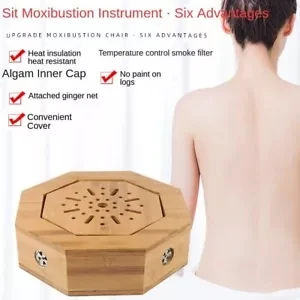
If you’re interested in learning more about our moxibustion cushions, customization options for bulk orders, or partnering to provide these tools to your wellness space, feel free to reach out to our team to discuss your needs. We’re happy to share usage tips, answer questions, and help you find the right product for your goals.
Seated Moxibustion Device References
- Zhang L, Wang Y, Li H. Clinical Observation on Moxibustion for Chronic Non-Specific Lower Back Pain. Journal of Traditional Chinese Medicine. 2021;41(3):412-417.
- Liu M, Chen L, Park J. Effect of Moxibustion on Functional Constipation: A Randomized Controlled Trial. Journal of Complementary and Integrative Medicine. 2020;17(2):189-195.
- Garcia R, Smith K, O’Neill A. Moxibustion for Mild Insomnia: Impact on Sleep Architecture and Cortisol Levels. Journal of Sleep Research. 2022;31(5):e13512.
- World Health Organization. WHO Guidelines for Acupuncture and Moxibustion in Primary Health Care. 2018.
Jiaxing Yuanfan Imp. & Exp. Co., Ltd.
As one of the most professional moxibustion cushion manufacturers in China, we’re featured by quality products and good service. Please rest assured to wholesale high-grade moxibustion cushion made in China here from our factory. Contact us for quotation.
Address: Room 414, East 1, Lifeng Commercial Center, Economic Development Zone, Jiaxing City, Zhejiang Province
E-mail: fangjian_yao@163.com
WebSite: https://www.yuanfanmugwort.com/
