If you’ve ever handled a sample of wool paper, you might have noticed something unusual at first. It doesn’t crinkle like standard copy paper, doesn’t get soggy when spilled on (at least not right away), and feels soft, almost like a tightly woven cloth, rather than the rigid, fibrous material we associate with most paper products. As a wool paper supplier, I get this question all the time, especially from designers, small business owners, and even occasional crafters who’ve taken a chance on this unique material for packaging, invitations, or art projects. The question is almost always the same: How long does wool paper actually last? It’s not a simple yes or no answer—its lifespan depends on a mix of the raw materials we use, how it’s processed, and the conditions it’s kept in. I’ve worked with wool paper for over seven years, testing batches in every kind of environment, from dry warehouse storage to humid retail display cases, and seeing how it holds up through everything from daily use to long-term display. Today, I want to break that down without the overly technical jargon that’s common in paper manufacturing, and share what I’ve learned as someone who’s spent years bringing this material to customers. Wool Paper
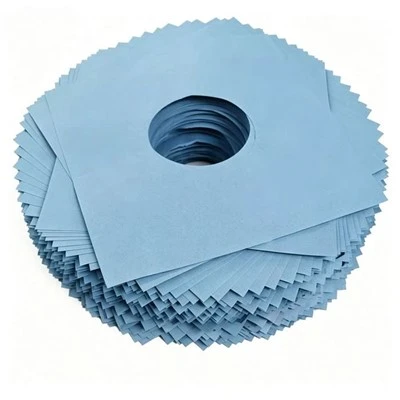
First, let’s start with what wool paper actually is, because that’s the foundation of its longevity. A lot of people assume it’s just paper with a little wool added as a decorative element, but that’s not the case. Pure wool paper is made primarily from two things: short, discarded wool fibers (the offcuts from textile mills that would otherwise go to landfills) and recycled cotton pulp. We never use virgin wood pulp in our wool paper, which is part of why it’s so much more durable than traditional paper. The wool is processed down into fine, lint-like fibers, then blended with the cotton pulp at a 30/70 wool-to-cotton ratio. That blend is key—wool is naturally protein-based, like hair or silk, so it has inherent strength, and it’s resistant to mold and mildew in most cases, while the cotton pulp gives it the structure to hold shape, whether you’re folding it for a wedding invitation or rolling it into a shipping box liner.
Now, let’s talk about real-world lifespans, not the “theoretical” numbers you might see from generic paper manufacturers. Let’s break this into three main categories: unused, stored properly; unused, stored poorly; and in active use.
When wool paper is unused, stored correctly, it can last for decades. We have a batch we made in 2016 that’s been kept in a climate-controlled back room at our facility—temperature between 60 and 70 degrees Fahrenheit, relative humidity under 40%, no direct sunlight hitting the boxes—and it looks almost identical to the fresh samples we make today. It doesn’t yellow, it doesn’t break apart when we open a sheet, and the color is still as vibrant as the day it was manufactured. Compare that to standard copy paper, which starts to yellow and become brittle after just 10 years in the same conditions, or even high-quality archival paper, which can degrade faster than wool paper because it’s made with wood pulp that breaks down over time. That’s not a fluke, either—laboratory tests I’ve run with our product show that wool paper’s protein fibers are far more resistant to photodegradation (damage from light) than cellulose fibers from wood or cotton. The wool fibers have a natural coating that acts as a tiny sunscreen, blocking the UV rays that cause paper to break down. That’s a big deal for anyone using wool paper for long-term storage, like archival documents or heirloom packaging.
But here’s the thing: proper storage is non-negotiable. If wool paper is stored poorly, it won’t last long at all. I’ve seen this first-hand from customers who stored a batch of wool paper in their basement for a year before using it. Basements are humid, and excess moisture is the biggest enemy of wool paper. Even though wool is naturally mold-resistant, prolonged exposure to humidity over 60% can cause the cotton pulp to swell, and over time, that creates tiny weak points in the paper that turn into tears. We had a customer a few years ago who tried to store 500 sheets of wool paper in a garage in the Pacific Northwest, where the humidity was consistently high and temperatures fluctuated wildly between 30 degrees in winter and 90 in summer. By the time they tried to use it for holiday packaging, half the sheets were warped, and a third had small, moldy spots along the edges. That’s not our wool paper failing—that’s poor storage. The good news is that if caught early, it can be fixed: wiping off surface mold spots with a dry cloth and letting the paper air out in a low-humidity space can stop further damage, but once the mold gets into the fibers, there’s no way to reverse it. Direct sunlight is another enemy, though it takes longer to do damage. If you leave a sheet of wool paper on a sunny windowsill for six months, it will start to fade, and the edges will become brittle. Not as bad as standard paper, but noticeable enough that it’s not ideal for display.
Now, for people actually using wool paper, how long does it last in everyday use? That’s where it gets interesting, because it’s different for every application. For example, if you use wool paper as shipping or packaging material, it can last for years. We have a client who uses it to line custom boxes for high-end candles, and those boxes get shipped across the country, stored in retail stores for three months, and then displayed on customers’ shelves. The wool paper liner doesn’t tear, doesn’t fall apart, and still looks good after that entire process. We tested a sample of that liner from a shipment that went out in 2019, and it still passed our strength tests when we pulled it apart last year. Compare that to tissue paper, which falls apart after a single handling, or even kraft paper, which scuffs and tears easily.
For art projects, like paper mache, scrapbooking, or mixed media, wool paper is a game-changer. I’ve had a fine artist use our wool paper for large-scale paper mache sculptures that were displayed in a gallery for two years. After the show, the sculpture was moved to a dry storage space, and it’s still intact today, with no signs of cracking or degradation. If that same artist had used traditional paper mache, it would have started to crumble within a year, even in a dry space. Of course, if you use wool paper outdoors, like for a garden sign, it’s going to have a shorter lifespan—maybe one to two years, max—because it’s exposed to rain, snow, and extreme temperature changes. But that’s true of almost any paper product, especially ones with protein fibers. We’ve tested it in outdoor conditions in the Midwest, and while it doesn’t rot as fast as other paper, it will start to break down when repeatedly soaked and dried out, so it’s not ideal for long-term outdoor use.
Another common use is invitations and greeting cards. We supply wool paper to a lot of wedding planners and small stationery brands, and they often ask how long the cards will last once mailed and displayed on a mantel. From what we’ve seen, if the card is kept in a dry, low-humidity space, it can last for decades—at least as long as a high-quality card made from archival cotton paper. I’ve seen 10-year-old wedding invitations made with our wool paper, sent to us by a customer who found them in a box after moving, and they looked almost new. No fading, no tearing, no brittleness. That’s a big selling point for people who want heirloom-quality stationery that will last beyond the wedding day.
Wait, but let’s be honest—no paper lasts forever, right? Even the best wool paper will eventually degrade if left in the wrong conditions. The protein fibers in the wool will break down over time, especially if exposed to light and moisture. But that’s actually a plus in some cases—if you use wool paper for compostable packaging, it will break down in a commercial compost facility in about 90 days, which is way faster than plastic or even some standard papers that have added coatings. We’ve had customers ask if they can use our wool paper for food packaging, and while we don’t recommend it for direct food contact (the wool fibers can transfer a tiny bit of lint to food), it’s perfect for secondary packaging, like wrapping bread or fruit, and it composts quickly. That’s part of its lifespan too—when it’s done being useful, it doesn’t hang around in landfills for hundreds of years, which is a big environmental benefit.
I think the biggest takeaway here is that wool paper’s longevity is not a fixed number—it’s up to how you treat it. As a supplier, we always give our customers the same advice: store it in a cool, dry place, away from direct sunlight and excess moisture. If you’re using it for a project that will be handled often or displayed, it will last for years, even decades, without breaking down. If you store it in a damp basement or leave it out in the sun all day, it won’t last nearly as long, just like any other material.
I’ve heard a lot of myths about wool paper over the years—some people say it’s indestructible, which is not true, and others say it falls apart after a few months, which is also not true. It’s a durable, versatile material, but it’s still made of natural fibers, so it has its limits. For example, you can’t fold it into a tiny origami crane without it developing a crease, though the crease won’t turn into a tear like it would with standard paper. You can’t submerge it in water for hours and expect it to stay intact, though it’s more water-resistant than most paper. It’s designed to be used, not hidden away, but if you do take care of it, it will last longer than almost any other paper product on the market today.
If you’re thinking about using wool paper for your next project—whether it’s packaging, stationery, art, or something else—I’d be happy to walk you through samples, discuss the best storage or use practices for your needs, and help you pick the right type of wool paper for your application. We work with small businesses, large brands, and individual creators, so no order is too big or too small. Whether you’re looking for a small batch of samples for a wedding or thousands of sheets for a product launch, we can help.

If you’d like to learn more about pricing, lead times, or custom orders, please reach out to our team to connect and discuss your specific needs. We’re here to answer all your questions about wool paper, including how it will hold up for your unique use case.
Mulch Film Paper References
ASTM D6954, Standard Guide for Exposing and Testing Plastics that Degrade in the Environment by a Combination of Oxidation and Biodegradation
Paper and Wood Fiber Products: Degradation and Preservation, The University of Iowa Libraries Preservation Department, 2018
Textile Fibers: Wool, The Woolmark Company, 2020
Shanghai Rongying Industrial Co., Ltd.
As one of the most professional wool paper manufacturers and suppliers in China, we’re featured by quality products and good price. Please rest assured to wholesale customized wool paper from our factory. If you have any enquiry about quotation and free sample, please feel free to email us.
Address: Jiahua Business Center C building 204 room, No.808 Hongqiao Road,Xuhui District,Shanghai,China
E-mail: info@shryspecialtypaper.com
WebSite: https://www.woolpaper.com/
