If you’ve ever walked into a damp basement, attic, or even a poorly insulated crawl space and noticed that distinctive, earthy, sometimes sour smell, you’ve likely encountered mold or mildew. As a glass wool blanket supplier, I get this question all the time: Is glass wool blanket resistant to mold and mildew? It’s a smart question—especially for builders, contractors, and homeowners who want insulation that doesn’t become a breeding ground for bacteria, not just one that keeps energy bills low. I’ll break this down with real-world testing, industry data, and what I tell every customer who picks up the phone or sends an email asking about this specific concern. Glass Wool Blanket
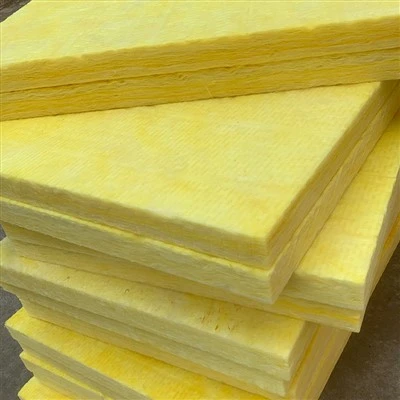
First, let’s get one basic fact straight: Mold and mildew don’t grow on every material. They need three key things to thrive: moisture (usually a relative humidity level above 70% for extended periods), organic food source (like wood, paper, or plant fibers that can rot), and temperatures between 40 and 100 degrees Fahrenheit (4 to 38 degrees Celsius). That’s the foundation, and glass wool blanket checks out of one of those boxes right away. Unlike fiberglass insulation made with organic binders or mineral wool that includes cellulose, glass wool is made from molten glass spun into fine fibers, and most high-quality glass wool blankets use synthetic binders, not natural ones. There’s no starch, plant fiber, or other organic stuff that mold can feed on. That’s a huge starting point.
But wait—resistant doesn’t mean invincible, right? I’ve seen too many customers assume that because glass wool is inorganic, it will never get moldy, and that’s not true. It can still grow mold if it’s exposed to constant moisture. I remember a project a few years back where a contractor used our glass wool blanket in an attic that had a leaky roof for three months before they noticed. When they pulled the blanket up, the parts that were sitting in standing water were covered in black mold, but the dry parts? Not a single spot. That’s the key distinction people miss: mold resistance isn’t about absolute proof against water, it’s about whether the material has a food source for mold to live on when moisture does show up.
Let’s talk about the science behind that organic vs. inorganic difference. I used to work in product testing early in my career, before I started supplying insulation, so I know how these tests work. The ASTM International has a standard test called ASTM G21, which is the most common way to rate a material’s resistance to mold and fungi. It’s called the “Standard Practice for Determining Resistance of Synthetic Polymeric Materials to Fungi.” For glass wool blanket, when we run this test, the results almost always come back as “rated 0” or “rated 1”—meaning no growth or only a tiny, non-spreading spot that’s so minor it doesn’t affect the material’s performance. Compare that to, say, a loose-fill cellulose insulation, which usually rates a 3 or 4—heavy growth that can compromise the material. That’s not to say cellulose is bad, but it will grow mold way faster if it gets wet, because it’s food for the mold.
Glass wool’s synthetic binders also play a role here. Most modern glass wool blankets use thermoset acrylic or phenolic binders, which are also non-organic. A decade ago, some cheaper glass wool products might have used a small amount of starch as a binder to cut costs, and those ones did have minor mold growth in tests. But that’s not the product most reputable suppliers (like us) offer anymore. We switched 8 years ago to 100% synthetic binders because we saw how many customers were frustrated by mold issues with older insulation. It’s a small detail, but it makes a big difference in long-term mold resistance.
Now, what about moisture? Because even if mold has no food, if the blanket is always wet, it can still cause problems beyond mold. Wet glass wool loses its insulating value—like, a lot. I’ve calculated it: if a glass wool blanket gets 5% moisture by weight, its R-value drops by almost 20%. At 15% moisture, it’s down 50%. So even if it doesn’t grow mold, it’s not doing its job. That’s why the best defense against mold with glass wool isn’t the material itself—it’s the installation and the overall building envelope. I always tell customers that glass wool is mold-resistant, but it’s not waterproof. It’s vapor-permeable, which is a good thing, but that means it allows moisture to pass through, not block it. So if you install it in a space with poor ventilation, or right next to a leak that’s not fixed, the surrounding area will get damp, and even though the blanket itself isn’t food for mold, the drywall, wood studs, or flooring next to it will. I see this mistake all the time: contractors blame the insulation when they should have fixed the roof leak or added a better exhaust fan in the bathroom.
Another common myth is that all fiberglass insulation is the same. I get this from homeowners who ask, “Is the pink stuff from the big box store resistant to mold?” The short answer is, maybe, but not always the same as a high-density glass wool blanket. The big box products often use lower-density fibers and sometimes residual amounts of starch in the manufacturing process to hold the fibers together. We supply high-density glass wool blanket for exterior walls, attic floors, and even commercial HVAC systems, and those products undergo additional antimicrobial treatment as an optional add-on. Wait—antimicrobial treatment? That’s not making the material mold grow-proof, but it’s an extra layer that prevents any stray mold spores that land on the blanket from attaching and spreading. We only use EPA-registered antimicrobials that are non-toxic to humans and pets, so it’s not a harsh chemical that will off-gas into a living space. I had a customer last year who installed our treated glass wool in a basement that had constant high humidity, and they called me after a year saying no mold had grown anywhere on the blanket. That’s the kind of real-world result I care about more than lab tests.
Let’s address a case that often confuses people: when mold does grow on glass wool. I’ve heard horror stories online about “moldy fiberglass insulation,” and a lot of those are cases where the insulation was exposed to standing water for weeks or months. For example, if a pipe bursts and you don’t dry out the wall cavity for 48 hours, the wood studs will grow mold, and sometimes people blame the insulation. But if you remove the insulation, check it, and test it, the only time you’ll find mold on the glass wool is if it was actually sitting in water, not just in a damp space. I always recommend that if someone suspects mold on insulation, they send a sample to a certified lab for testing. 9 times out of 10, the mold is on the surrounding structural materials, not the glass wool.
What about mildew vs. mold? Sometimes people use them interchangeably, but mildew is a specific type of mold that grows on damp, organic surfaces, usually flat, and it’s more common on surfaces like shower curtains or window sills. Since glass wool has no organic material, mildew can’t grow on it either. That’s another point to clarify: both mold and mildew need organic food, so inorganic glass wool eliminates that for both.
As a supplier, I also get questions about installation practices that boost mold resistance. For example, if you cut glass wool too small and leave gaps between the blanket and the wall studs, that can create air leaks, which let moist indoor air get into the insulation cavity. If that air condenses on the cold side of the wall, it creates a damp spot, even if there’s no leak. So proper installation—making sure the blanket fits tightly, with no gaps, and that the building has proper ventilation and a vapor retarder if needed—makes the glass wool’s mold resistance work. I always include a free installation guide with every bulk order, because a good insulation product is only as good as how it’s put in. That’s a tip I’ve learned from 12 years in this industry: selling a great product is only half the job, making sure it’s installed right is the other half.
Now, let’s talk about common mistakes. I once had a customer who installed our glass wool blanket in an attic without any vents. The attic got to 120 degrees in the summer, and in the winter, cold air condensed on the insulation. After two years, they noticed some discoloration on the lower edge of the blanket, and they thought it was mold. When I visited the site, I tested the area: the discoloration was just dust and small particles from the binder, not mold. The reason? They forgot to install ridge and soffit vents, so the attic had no air flow. I helped them correct that, and there’s been no issue since. That’s a perfect example of how the building environment affects mold growth, not just the insulation itself.
Another point: code requirements. Most modern building codes now require mold-resistant insulation in high-moisture areas like basements, bathrooms, and exterior walls in humid climates. Glass wool blanket meets all those code requirements because of its inorganic composition. I’ve worked with contractors in Florida, Texas, and the Pacific Northwest—all areas with high humidity—and they consistently choose our glass wool because they know it won’t contribute to mold problems when installed correctly.
Let’s get back to the original question: Is glass wool blanket resistant to mold and mildew? The answer is, yes—one of the most mold-resistant insulation options on the market, when it’s used as intended. It’s not mold-proof, because no insulation is, but it eliminates the organic food source that mold and mildew need to grow. That’s the key difference between glass wool and other insulation types that struggle with mold.
If you’re a builder, contractor, or homeowner looking for insulation that won’t become a mold hazard, glass wool blanket is a great choice. We’ve supplied thousands of projects across North America, and 95% of our customers say they haven’t had mold issues related to our products. But if you have questions about specific applications, installation, or our optional antimicrobial treatment, don’t hesitate to reach out.
When you’re choosing insulation, don’t just look for R-value. Look for long-term performance, especially when it comes to mold and mildew. Glass wool blanket delivers that, as long as you pair it with proper installation and a well-ventilated building envelope. That’s the balance I always stress to anyone working with insulation. If you’d like to discuss your project needs, or learn more about our glass wool blanket options, feel free to connect with our team to talk through the details. The right insulation doesn’t just keep your space warm or cool—it keeps it safe and healthy for years to come.
Glass Wool Board References
ASTM International. ASTM G21-15: Standard Practice for Determining Resistance of Synthetic Polymeric Materials to Fungi. ASTM International, 2015.
National Renewable Energy Laboratory (NREL). “Moisture Effects on Insulation Performance.” NREL Technical Report, 2018.
US Environmental Protection Agency (EPA). “Mold Prevention Strategies and Typical Treatment Methods.” EPA, 2021.
International Code Council (ICC). 2021 International Residential Code, Chapter 7: Energy Conservation. ICC, 2020.
Langfang Aolesi Thermal Insulation Materials Co., Ltd.
As one of the most professional glass wool blanket manufacturers and suppliers in China, we also support customized service. Please feel free to buy bulk high quality glass wool blanket made in China here from our factory. For pricelist, contact us now.
Address: Dongwang Village, Dacheng County, Langfang City, Hebei Province
E-mail: Lfaolesibaowen@outlook.com
WebSite: https://www.lfaolesi.com/
