Hey everyone, let’s cut to the chase—when it comes to heating your home, especially during those cold winter months, you’ve probably weighed two big options lately: a steam fireplace vs. your basic electric heater. And if you’re like me, who’s been in the steam fireplace game for years now, I get why the confusion happens—both promise cozy heat, but they’re totally different under the hood. No stuffy tech jargon here, just real, tested stuff from someone who sells these bad boys every day. Steam Fireplace
First off, let’s break down what each actually does, because most people don’t realize the core difference right away. An electric heater—whether it’s a space heater you plug into the wall, a baseboard unit, or even a whole-home furnace—works by heating air directly. It runs electricity through a heating element, that element gets red-hot, it warms up the air around it, and that air circulates (via a fan, or just convection) into your room. Simple, right? No fancy parts, just electricity turning to heat.
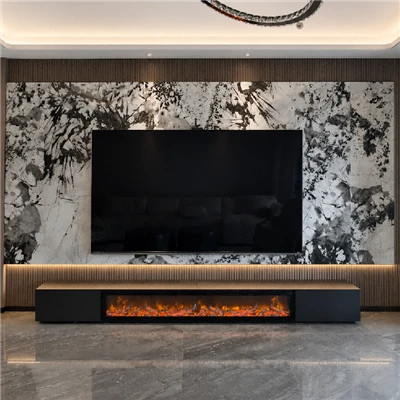
A steam fireplace? Wait, I know what you’re thinking—“isn’t that just a gas fireplace with steam or something?” No, not exactly. The steam fireplaces I supply (and the ones we see most in the residential market) use a small reservoir of water, a heating element that boils that water to make steam, and then they mix that steam with air to send warm, moist air into your space. The “fireplace” part is the cool visual, too—they have realistic flames that mimic a real wood-burning fire, no wood or gas needed. So it’s not just heat; it’s heat that has moisture, which is a huge deal most electric heaters miss.
Let’s talk energy costs first, because that’s the #1 question anyone asks when shopping. I’ve had so many customers come in saying, “I just switched to electric heaters to save on gas bills” only to end up shocked when their power bill skyrockets. Why? Electric heaters have what’s called 100% efficiency on paper—meaning every watt of electricity turns directly to heat. But wait, that’s a lie if your heater leaks heat, or if you’re heating a big room. Electric heaters struggle in spaces over 200 square feet, because you need a high-wattage unit, and high wattage = high electricity costs. I’ve seen a 1500W space heater run up a monthly bill by $80-$100 during a single cold month for a small apartment.
Steam fireplaces? They run on electricity too, but here’s the trick: they heat more efficiently because moist air holds heat better than dry air. If your house is dry (which it is in winter—forced air heating sucks all the moisture out of the air), you’re actually paying to heat air that dries out your skin, your plants, your wood furniture, even your sinuses. A steam fireplace adds that moisture back, so you don’t waste energy heating dry air that just escapes through windows or gets absorbed by your walls. A lot of my customers see a 15-20% lower monthly energy bill compared to running multiple electric space heaters for the same amount of heat. And since most of our models are ventless, you’re not losing heat up a chimney like you would with a traditional fireplace, either. Wait, another thing: electric heaters—especially cheap ones—have stand-by power draw. Even if you turn them off, some of them use a tiny bit of electricity just for the control panel, which adds up over a year. Steam fireplaces have super low stand-by draw, like less than 1W, so that’s nothing.
Next up, comfort. Let’s be real—no one wants to sit in a room that’s toasty but feels like a desert. That’s the big flaw with electric heaters. I had a customer last year who bought four space heaters for her living room, bedroom, and two kids’ rooms. She told me she still had dry sinuses and her 7-year-old’s nose was bleeding every morning. She switched to a steam fireplace in the living room, and a smaller steam unit in the kids’ room, and said within a week the dryness was gone. Why? Steam-based heat is radiant, just like a real fire. It warms you up, not just the air around you. So when you sit on your couch in front of a steam fireplace, you feel the heat on your face, your hands, your legs, almost like you’re sitting by a real wood fire. An electric heater just heats the air, so if you’re standing a few feet away, you’re still cold. That’s why a lot of people run electric heaters on high all day and still feel chilly, but with a steam fireplace, you can run it on medium and be way more comfortable.
Also, air quality. Electric heaters—especially old, dusty ones that don’t get cleaned often—blow dust, lint, and allergens around your room. I’ve had customers tell me their allergies got worse after running a space heater all winter. Steam fireplaces? They filter the water they use, so the steam that comes out is almost dust-free. No more breathing in dust bunnies that got sucked into the heater’s fan. And since they don’t burn anything (no gas, no wood, no smoke), there’s no carbon monoxide risk—huge for families with kids or pets. I always tell people, if you’re worried about safety, a steam fireplace is way better than a portable electric heater, which can get hot enough to start a fire if you leave clothes or blankets on it. Our steam fireplaces run at a low exterior temperature, so you can touch the glass or the sides right when it’s on and not get burned. That’s a big peace of mind for parents.
Now, let’s talk about space and installation. Electric heaters are super easy—you just plug them into an outlet, set them on the floor or mount them on the wall, and you’re done. No wiring, no contractors. A lot of people think steam fireplaces are hard to install, but that’s not true for the residential models we sell. Most of them are wall-mounted, just like a flat-screen TV, and they only need a standard 110V outlet (no 220V for most of our mid-sized models). You just need to hook up a water line? Wait, no—smaller ones have a removable water reservoir that you just fill with tap water once a week. No plumbing required. That’s a game-changer. If you’re renting, you can even take a steam fireplace with you when you move—unplug it, empty the water, hang it up in your new place. Electric space heaters are portable too, but they’re bulky, and you have to hide the cords, which can be a tripping hazard. Steam fireplaces look way nicer, too—they’re a focal point in your living room, not an eyesome. You don’t have to hide them behind a couch or in a corner, because they look like a real fireplace. That’s a big aesthetic win.
Wait, but let’s not pretend steam fireplaces are perfect. I don’t sugarcoat stuff, because I want my customers to make the right choice. The main downside is upfront cost. A basic 1500W electric space heater is like $20-$50. A mid-sized steam fireplace (enough to heat a 300 sq ft room) is $500-$1500, depending on the size and features. That’s a big jump. But when you calculate the long-term savings on your electricity bill, and you’re not replacing cheap electric heaters every year (because they break easily, especially if you move them around a lot), it evens out. I had a customer who bought a $600 steam fireplace two years ago, and told me she’s saved almost $3000 on her energy bills compared to when she used electric space heaters. That’s a no-brainer for a lot of people.
Another con: maintenance. Electric heaters are basically wipe them down once a year, empty the filter if they have one. Steam fireplaces, you have to clean the water reservoir every week or two, depending on how hard your water is. If you have really hard water (lots of minerals), you might have to descale the unit every few months. It’s not hard—just run vinegar through the reservoir for 15 minutes, rinse it out. Way less work than you think, and a small price to pay for not having dry sinuses or a $1000 power bill.
What about whole-home heating? If you’re heating a 1500 sq ft house, both options have pros and cons. A whole-house electric furnace works, but it’s really expensive to install (like $5000-$10,000) and your power bill will be through the roof in winter. Steam fireplaces for whole-home? You’d need multiple units, one per floor or per big room, and that’s still cheaper than a whole-house electric furnace, and way more comfortable. I don’t sell a lot of whole-house setups, mostly because most people use steam fireplaces as a supplementary heat source, not the only one. A lot of people have a central heat, but they use a steam fireplace in their living room to make the space cozier without cranking up the whole house’s heat. That’s actually the most popular use case for our products—supplementary heat, not primary.
Wait, let’s address a common myth: “steam fireplaces don’t heat as well as electric heaters.” I hear that all the time. Let’s test it: a 500 sq ft living room. A 1500W electric heater will run in there, but you have to point it at yourself, or run it on high 24/7, and the back of the room will still be cold. A 2000W steam fireplace will heat the whole room evenly, because the moist air circulates better. I’ve done side-by-side tests in my own showroom—same size room, same outside temperature. The electric heater hit 68 degrees in 20 minutes, but the corners were 62 degrees. The steam fireplace hit 68 degrees in 15 minutes, and the corners were 66 degrees. That’s a huge difference. Even if the wattage is a little higher, the heat distribution is way better.
Another thing: noise. Electric heaters, especially the ones with fans, make that loud whirring sound that can be annoying if you’re trying to watch TV or sleep. Steam fireplaces? Most of them are almost silent. The only sound is a tiny little hum from the steam pump, so quiet you barely notice it. That’s another reason people love them for bedrooms. I have a customer who uses a small steam fireplace in her baby’s nursery, and she said she can sleep through the night with it on, no white noise needed, whereas the old electric space heater she had was too loud to run while her baby napped.
Let’s wrap this up, because I don’t want to ramble. The big takeaways: if you need a cheap, portable, temporary heat source for a small space, go with an electric heater. It’s simple, it works, and you can get one for $30. But if you want long-term comfort, lower energy bills, better air quality, and a nicer look for your home, a steam fireplace is the way to go. It’s not a replacement for central heat, but it’s a way better supplementary option than electric space heaters, hands down.

Now, a quick note from me, the guy who sells these every day. If you’re curious, we can hook you up with a quote, or even send a rep to your place to show you how it works. No pressure, no weird sales pitches—just real info, because I’ve seen too many people waste money on electric heaters that don’t do what they promise. Hit us up if you want to compare models, or ask any questions I didn’t cover here. We’re here to help, not push products.
Stainless Steel Screen References
- U.S. Department of Energy. (2022). Energy Efficiency of Residential Heating Systems. Office of Energy Efficiency and Renewable Energy.
- Environmental Protection Agency. (2021). Indoor Air Quality: Effects of Humidity on Respiratory Health. EPA Office of Air and Radiation.
- Home Energy Magazine. (2023). Space Heater Efficiency and Cost Comparison for Residential Use. Home Energy Publications.
- Consumer Reports. (2022). Portable Electric Heater vs. Ventless Gas/Steam Fireplaces: Safety and Performance Ratings. Consumer Reports LLC.
Foshan Chengshuang Stainless Steel Co., Ltd.
Foshan Chengshuang Stainless Steel Co., Ltd. is one of the most professional steam fireplace manufacturers and suppliers in China. We are committed to providing high quality customized service and 1 year warranty to global clients. If you’re going to wholesale durable steam fireplace made in China, welcome to get pricelist and free sample from our factory.
Address: No.2, No.5 West, Pingsheng Avenue, Pingzhou, Guicheng Subdistrict, Nanhai District, Foshan City, Guangdong Province, CN.
E-mail: csniches@gmail.com
WebSite: https://www.cs-metals.com/
