In the dynamic landscape of home and personal care products, packaging plays a pivotal role not only in protecting the contents but also in influencing consumer purchasing decisions. As a leading supplier of home and personal care pulp packaging, I’ve witnessed firsthand the growing demand for sustainable and cost – effective packaging solutions. In this blog post, I’ll delve into the cost – effectiveness ratios of pulp packaging for different segments within the home and personal care industry. Home and Personal Care Pulp Packaging
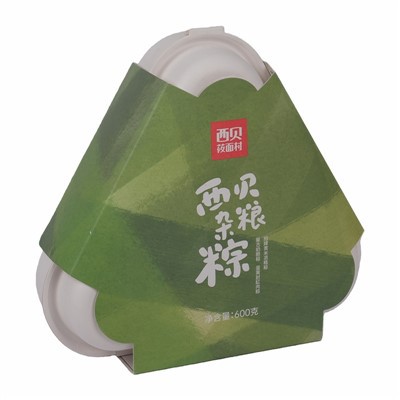
The Rise of Pulp Packaging in Home and Personal Care
In recent years, there has been a significant shift towards sustainable packaging options in the home and personal care market. Consumers are becoming more environmentally conscious, and they are actively seeking products that are packaged in an eco – friendly manner. Pulp packaging has emerged as a popular choice due to its renewable nature, recyclability, and biodegradability.
Pulp packaging is made from wood fibers, which are a renewable resource. It can be easily recycled and decomposed, reducing the environmental impact compared to traditional packaging materials such as plastic. Additionally, pulp packaging offers excellent protection for products, ensuring that they reach consumers in good condition.
Cost – effectiveness Ratios in Different Home and Personal Care Segments
1. Home Cleaning Products
Home cleaning products are a staple in every household. These products range from liquid detergents and sprays to powder cleaners. Pulp packaging for home cleaning products offers several cost – effective advantages.
Firstly, the production cost of pulp packaging is relatively low. The raw materials, wood fibers, are abundant and inexpensive. This allows for a more competitive pricing strategy compared to some other packaging materials. Secondly, pulp packaging can be easily customized to fit different product sizes and shapes. For example, bottles and containers made of pulp can be designed to hold various volumes of cleaning liquids, and the design can be adjusted to meet the brand’s aesthetic requirements without incurring exorbitant costs.
However, when considering the cost – effectiveness ratio, it’s important to look at the total cost of ownership. While the initial production cost may be low, transportation costs can sometimes be a factor. Pulp packaging is generally bulkier than plastic packaging, which may result in higher shipping costs. But this can be mitigated by efficient packaging design and optimization of shipping routes. On average, for home cleaning products, the cost – effectiveness ratio of pulp packaging is quite favorable, especially when factoring in the long – term environmental and brand image benefits.
2. Personal Hygiene Products
The personal hygiene segment includes products such as toothpaste, shampoo, body wash, and deodorants. Pulp packaging in this segment has its unique characteristics in terms of cost – effectiveness.
For wet products like shampoo and body wash, pulp packaging can be designed as cartons or outer containers. The cost – effectiveness comes from the ability to protect the product from damage during transit and storage. Pulp cartons can be printed with high – quality graphics, which helps in brand promotion. The cost of printing on pulp is comparable to other materials, and it can enhance the product’s shelf appeal.
In the case of toothpaste, pulp tubes are starting to gain traction. Although the production of pulp tubes may have a slightly higher initial cost compared to plastic tubes, the long – term benefits are significant. As consumers become more willing to pay a premium for sustainable products, brands using pulp tubes can potentially increase their profit margins. Moreover, the recycling and environmental benefits associated with pulp tubes can improve the brand’s reputation. The cost – effectiveness ratio for personal hygiene products is on an upward trend as the demand for sustainable packaging grows.
3. Beauty and Cosmetics
The beauty and cosmetics industry is highly image – conscious and values premium packaging. Pulp packaging has the potential to offer a cost – effective solution in this segment as well.
Many beauty products, such as creams, lotions, and makeup, come in glass or plastic containers. Pulp can be used as an outer packaging or inlay to provide additional protection and a luxurious feel. The cost of pulp materials and production is often lower than creating elaborate plastic or metal packaging structures.
For example, a high – end perfume may be housed in a glass bottle, but a pulp outer box can enhance its presentation while being more cost – effective. The customization options with pulp, such as embossing and debossing, can create a premium look similar to more expensive packaging materials. Additionally, as the beauty industry moves towards more sustainable practices, using pulp packaging can attract environmentally – aware consumers, which can have a positive impact on the brand’s bottom line. The cost – effectiveness ratio for beauty and cosmetics is balancing between the need for premium presentation and the cost savings associated with pulp packaging.
Factors Affecting the Cost – effectiveness Ratio
1. Production Scale
The scale of production has a significant impact on the cost – effectiveness of pulp packaging. Larger production runs generally result in lower per – unit costs. This is because the fixed costs associated with setting up the production line, such as machinery and tooling, can be spread over a larger number of units. As a supplier, we work closely with our clients to optimize production volumes to achieve the best cost – effectiveness ratios.
2. Design Complexity
The complexity of the packaging design also affects the cost. Simple, standard designs are more cost – effective to produce compared to highly customized and intricate designs. However, in some cases, a well – designed pulp packaging can add value to the product, justifying the additional cost. It’s important for brands to strike a balance between design creativity and cost – effectiveness.
3. Raw Material Prices
The cost of wood fibers, the primary raw material for pulp packaging, can fluctuate based on market conditions. Changes in forestry policies, supply and demand dynamics, and natural disasters can all impact raw material prices. As a supplier, we closely monitor these factors and work to secure stable and cost – effective raw material sources for our clients.
Conclusion and Call to Action

In conclusion, pulp packaging offers a compelling cost – effectiveness ratio for different segments within the home and personal care industry. While there are some challenges, such as transportation costs and raw material price fluctuations, the long – term benefits in terms of sustainability, brand image, and consumer appeal outweigh these drawbacks.
Molded Pulp Wine Bottle Packaging As a supplier of home and personal care pulp packaging, I am committed to providing high – quality, cost – effective packaging solutions. If your brand is looking to make the switch to more sustainable and cost – effective packaging, I encourage you to reach out to me for a detailed discussion. We can work together to assess your specific needs, optimize the cost – effectiveness ratio, and create a packaging solution that not only protects your product but also enhances your brand’s reputation.
References
- "Sustainable Packaging in the Home and Personal Care Industry" – Journal of Packaging Science
- "Cost – Benefit Analysis of Pulp Packaging" – International Journal of Packaging Economics
Dongguang K.B.D Pulp Mould Package Products Co., Ltd.
We are one of the most experienced home and personal care pulp packaging manufacturers and suppliers in China, specialized in providing high quality products and service. Please feel free to buy bulk customized home and personal care pulp packaging from our factory. For quotation and free sample, contact us now.
Address: No.4 Caimei 1st Road, Longjiantian Country, Huangjiang Town, Dongguan, China
E-mail: Kevin.wang@kbd.com.cn
WebSite: https://www.kbd-pack.com/
