As a supplier of rooftop artificial turf, I’ve witnessed a growing interest in this product as a potential alternative to concrete on rooftops. In this blog, I’ll delve into the various aspects of rooftop artificial turf and explore whether it’s a good alternative to concrete. Rooftop Artificial Turf
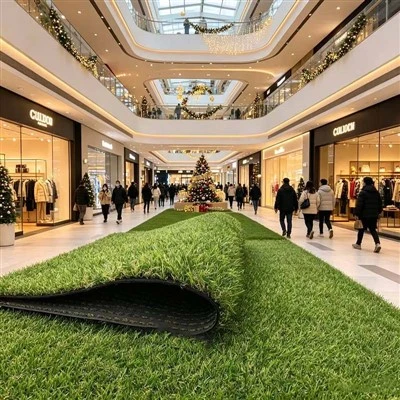
The Rise of Rooftop Artificial Turf
In recent years, urban spaces have become increasingly congested, and the demand for green areas has grown. Rooftops, which were once just flat, concrete surfaces, are now being seen as valuable real estate for creating green spaces. Artificial turf has emerged as a popular choice for rooftop applications due to its numerous benefits.
Advantages of Rooftop Artificial Turf
1. Aesthetic Appeal
One of the most obvious benefits of rooftop artificial turf is its aesthetic appeal. It provides a lush, green surface that can transform a dull, concrete rooftop into a vibrant and inviting space. Whether it’s for a residential rooftop garden, a commercial rooftop lounge, or a public rooftop park, artificial turf adds a touch of nature to the urban landscape.
2. Low Maintenance
Concrete rooftops require regular maintenance to prevent cracking, peeling, and other forms of damage. In contrast, artificial turf is relatively low maintenance. It doesn’t need watering, mowing, or fertilizing, which saves time and money in the long run. Additionally, artificial turf is resistant to pests and diseases, further reducing the need for maintenance.
3. Temperature Regulation
Concrete rooftops can absorb a significant amount of heat, leading to higher indoor temperatures and increased energy consumption for cooling. Artificial turf, on the other hand, has a lower heat absorption rate. It can help to reduce the urban heat island effect, keeping the building cooler and potentially lowering energy costs.
4. Environmental Benefits
Artificial turf can contribute to a more sustainable environment. By reducing the need for watering and chemical fertilizers, it helps to conserve water and reduce pollution. Additionally, rooftop artificial turf can provide habitat for birds and insects, contributing to urban biodiversity.
5. Safety
Concrete rooftops can be slippery when wet, posing a safety hazard. Artificial turf provides a non – slip surface, making it a safer option for people walking or playing on the rooftop. It also has shock – absorbing properties, which can reduce the risk of injuries from falls.
Disadvantages of Rooftop Artificial Turf
1. Initial Cost
The initial cost of installing rooftop artificial turf is generally higher than that of concrete. The cost of the turf itself, along with the installation materials and labor, can be a significant investment. However, it’s important to consider the long – term savings in maintenance and energy costs.
2. Durability
While artificial turf is designed to be durable, it may not last as long as concrete in some cases. Exposure to extreme weather conditions, such as intense sunlight, heavy rain, or strong winds, can affect the lifespan of the turf. However, high – quality artificial turf is often engineered to withstand these conditions.
3. Recycling
At the end of its lifespan, artificial turf can be more difficult to recycle compared to concrete. Concrete can be crushed and reused in construction projects, while the recycling process for artificial turf is more complex and less common.
Comparing Rooftop Artificial Turf and Concrete
When comparing rooftop artificial turf and concrete, it’s important to consider the specific needs and requirements of the project.
1. Functionality
If the rooftop is intended for heavy – duty use, such as a parking lot or a loading area, concrete may be the better choice. Concrete is more durable and can withstand heavy loads. However, if the rooftop is for recreational or aesthetic purposes, artificial turf offers a more inviting and comfortable surface.
2. Cost – effectiveness
In the short term, concrete may seem more cost – effective due to its lower initial installation cost. However, when considering the long – term costs of maintenance, energy consumption, and potential repairs, artificial turf can be a more cost – effective option.
3. Environmental Impact
Concrete production has a significant environmental impact, including high energy consumption and carbon emissions. Artificial turf, while not completely environmentally friendly, can have a lower overall environmental impact when considering its water – saving and temperature – regulating properties.
Case Studies
Let’s look at some real – world examples to illustrate the benefits of rooftop artificial turf.
1. Residential Rooftop Garden
A homeowner in a busy city decided to transform their concrete rooftop into a garden using artificial turf. The artificial turf provided a soft and comfortable surface for sitting and relaxing. It also reduced the heat transfer into the house, making the indoor environment more comfortable. The homeowner was able to enjoy a green space without the hassle of maintaining a natural lawn.
2. Commercial Rooftop Lounge
A restaurant in an urban area installed artificial turf on its rooftop to create a lounge area for its customers. The lush green turf added a unique and inviting atmosphere to the space. It also helped to reduce noise from the street below, creating a more peaceful dining experience. The low – maintenance nature of the artificial turf made it a practical choice for the busy restaurant.
Conclusion

In conclusion, rooftop artificial turf can be a great alternative to concrete on rooftops, depending on the specific needs and requirements of the project. It offers numerous benefits, including aesthetic appeal, low maintenance, temperature regulation, environmental benefits, and safety. While it has some disadvantages, such as higher initial cost and potential durability issues, the long – term advantages often outweigh the drawbacks.
Residential Lawn If you’re considering a rooftop project and are interested in learning more about rooftop artificial turf, I’d be more than happy to discuss your options. Whether you’re a homeowner looking to create a rooftop garden or a business owner planning a rooftop lounge, our team of experts can provide you with the information and support you need. Contact us to start a conversation about how rooftop artificial turf can transform your rooftop into a beautiful and functional space.
References
- "The Urban Heat Island Effect and Its Mitigation Strategies" by A. Akbari, S. Menon, and H. Taha
- "Sustainable Urban Landscaping: The Role of Artificial Turf" by J. Smith
- "Rooftop Greening: Benefits and Challenges" by L. Brown
Yiwu Duofu Artificial Flower Co., Ltd.
As one of the most professional rooftop artificial turf manufacturers and suppliers in China, our products have good reputation in the market. Please feel free to wholesale bulk custom made rooftop artificial turf from our factory. Good service and quality products are available.
Address: Building B, No. 566 Chunhua Road
E-mail: 13373813738@aliyun.com
WebSite: https://www.chinaturffactory.com/
