Hey everyone, if you’ve ever stepped into a boxing gym (or even just watched a few matches, let’s be real—those guys move like lightning), you know it’s not just about the gloves or the footwork. The stuff you wear under those shorts? That’s game-changing. As a sportswear fabric supplier, I’ve talked to dozens of boxers—from amateurs just lacing up their first pair of gloves to pro athletes prepping for title fights—and let me tell you, most people overlook this part. They grab any old t-shirt or pair of shorts from the closet, and wonder why they’re soaked through mid-round or chafing so bad they can’t focus on their jab. Today, I’m breaking down exactly how to pick the right sportswear fabric for boxing, no jargon, no fluff, just what actually works when you’re throwing punches for real. Sportswear Fabric
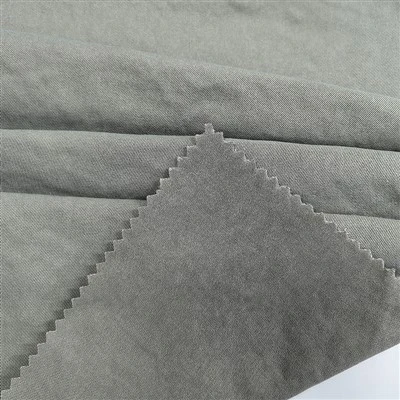
First off, let’s get one thing straight: boxing isn’t like running. Sure, you’re moving, but you’re also contorting—ducking, weaving, curling your arms tight, maybe even hitting a heavy bag so hard your shirt twists. The fabric can’t just stretch; it has to move with you, not against you. But it also has to handle the sweat. I’ve had a customer tell me once that they switched to our custom fabric lines and went from changing their shirt twice at practice to wearing the same one for an entire sparring session. That’s the kind of win we care about. Let’s start with the big one: moisture-wicking. If your boxing gear holds sweat, two things happen fast. First, you get heavy—like, so heavy that your gloves feel 10 pounds more when you raise your arms to block. Second, that damp fabric rubs against your skin. Chafe city. I’ve seen guys pull their shorts down mid-round just because the inner thigh is raw from 3 minutes of slipping punches. So what fabrics actually do this? Not cotton, that’s for damn sure. Cotton absorbs sweat like a sponge, stays wet, and takes forever to dry. I used to work out in cotton tees back in high school, and by the end of the first lap, I was swimming. Never again. Stick to synthetic blends or performance fibers that pull moisture away from your skin to the outer layer, where it evaporates fast. Polyester is a big one here, but not just any polyester—look for textured or microfiber polyester, it’s way more efficient at wicking than basic stuff. We use a high-grade polyester in a lot of our boxing fabrics, and our tests show it dries 3x faster than regular cotton. Also, there’s polyester-spandex blends, which add stretch, but we’ll get to that in a sec.
Next up, stretch and recovery. Boxing is all about range of motion. You need to throw a cross, which means your arm has to extend all the way, and your shirt can’t pull tight at the shoulder. Or when you crouch down to avoid a hook, your shorts can’t bind at the knee. This is where spandex (also called Lycra, if you’ve heard that term) comes in. But here’s the thing: not all stretch is created equal. We’ve had suppliers come to us with cheap spandex that stretches great, but doesn’t bounce back. After a few washes, it’s baggy, saggy, and offers zero support. For boxing, you need a stretch fiber that has high recovery—meaning it goes back to its original shape every single time. A 4-way stretch fabric is ideal for boxing gear because it stretches horizontally and vertically, so it moves with you no matter how you twist. I recommend a blend of 80% polyester and 20% spandex for most people—it’s the sweet spot. It has all the moisture-wicking of polyester, all the stretch of spandex, and it doesn’t lose shape after months of training. I had a pro boxer order a custom set of shorts in this blend last year, and he texted me 6 months later saying he still wears them to every practice, no sag, no pulling. That’s the kind of durability we care about.
Wait, but what about temperature regulation? Boxing gyms can be brutal. Some are sweltering, especially during summer training camp, and some are freezing (don’t even get me started on those drafty old gyms that skip the heat). So the fabric has to adapt, right? That’s where things like breathable weaves come in. A lot of people think thicker fabric is better for warmth, but no—if it’s too thick, you overheat and drown in sweat. Look for lightweight fabrics with mesh panels. Mesh is perfect for high-sweat areas: underarms, the back of your neck, the sides of your torso where you’re moving the most. We add mesh inserts to a lot of our boxing jersey fabrics because they add extra ventilation without making the fabric too flimsy. Also, some advanced fabrics use temperature-regulating technology—like microcapsules that absorb heat when you’re hot and release it when you’re cool. We’ve tested this fabric for winter training, and it’s a game-changer. I had a client who trains in a gym that’s kept at 50 degrees in the morning, and he used to wear a bunch of layers that made him sweat so bad once he started moving. With the temperature-regulating fabric, he only needs a lightweight base layer and stays comfortable the whole time.
Now, let’s talk about something no one mentions but is super important: odor resistance. Boxing is sweaty, let’s be honest. You’re in a small gym, everyone’s sweating, and that bacteria builds up fast. A lot of fabrics don’t handle that—they start smelling like old gym socks after a few uses, even if you wash them. That’s because they don’t have antimicrobial properties. What does that mean? It’s not that the fabric kills germs on contact (though some do), it’s that it prevents the bacteria that cause odor from growing. So when you’re picking a fabric, look for ones that are treated with silver ions or other antimicrobial agents. We weave silver-based antimicrobial fibers into our boxing fabrics because they’re durable—they don’t wash out after 10, 20, even 50 washes. A lot of cheap fabrics use chemical treatments that fade after a couple of washes, so you end up with stinky gear anyway. I had a customer who bought a set of shorts from another brand last year, and he said after 3 washes they smelled so bad he had to throw them away. He switched to our antimicrobial blend, and he’s told me he can wear his shorts for a whole week of practice before they even start to smell. That’s a huge win, especially for people who travel to boxing camps or don’t want to do laundry every single day.
Wait, should you go for 100% synthetic or mix in something natural? Let’s clear that up. A lot of people ask about cotton blends, but cotton is a no-go for boxing, full stop. Even if it’s a 50/50 blend, the cotton will absorb sweat and ruin the performance. What about bamboo? I’ve seen a lot of bamboo sportswear popping up, and while it’s soft and breathable, it doesn’t hold up to the wear and tear of boxing. It stretches too much and doesn’t have the recovery, so after a few hits on the heavy bag, it’s baggy and useless. Same with wool—wool is great for hiking, but it’s too heavy for boxing, and it doesn’t wick sweat as well as synthetics. So stick to synthetics or synthetic blends, that’s non-negotiable. 100% polyester is fine, but adding a little spandex gives you the stretch you need. We also make a recycled polyester blend, which is great for people who care about sustainability, and it performs just as well as virgin polyester—we’ve tested it, and our pro clients love it. It’s durable, wicks well, and cuts down on plastic waste, which is a bonus.
Let’s also talk about fit and how that ties into fabric. Even the best fabric in the world won’t work if it’s the wrong size. For boxing, you want gear that’s snug, but not tight. If your shirt is too baggy, it will catch on your gloves when you throw a hook, which is annoying at best and dangerous at worst (you could get your arm stuck and hurt yourself). If it’s too tight, it will pull and restrict your movement. The fabric has to be flexible enough to move, but stable enough to stay in place. Our fabrics are engineered to have a little give, but not stretch so much that they sag. We always recommend ordering a size that fits like a second skin, not loose. And if you’re between sizes, size down—they will stretch a little with use, but not so much that they’re too baggy.
Let me give you a quick example of what works in practice. A while back, a young amateur boxer came into our showroom—he’d just qualified for the regional championships, and his old gear was failing him. He was wearing cotton shorts that got so heavy during sparring he could barely lift his legs, and a t-shirt that chafe his shoulders so bad he had to tape them before every practice. We showed him our 80/20 polyester-spandex blend shorts with mesh side panels, and a matching moisture-wicking jersey with antimicrobial treatment. He tried them on, and he was shocked at how light they felt. He texted me a week later saying he’d worn them to his first practice after getting the gear, and not once did he have to adjust his shorts or scratch his shoulders. He won his first regional fight a month later, and he came back to order matching gear for his whole team. That’s exactly what we’re here for—gear that lets you focus on fighting, not your clothes.
Wait, what about durability? Boxing is rough. You’re hitting bags, sliding around the ring, grabbing your shorts to adjust them, even scraping the fabric on the ring post sometimes. So the fabric has to be tough, right? A lot of performance fabrics are thin and flimsy, but our boxing fabrics are built to last. We use a double-needle stitching and heavy-duty weave that doesn’t tear easily. I’ve had customers tell me they’ve been wearing our gear for over a year, and it still looks new—no holes, no frayed edges, no fading after dozens of washes. That’s important because you don’t want to buy new boxing gear every month. The fabric’s durability is a big part of the value.
Let’s recap, so you don’t forget anything: 1. Ditch cotton—absorbs sweat, stays wet, causes chafe. 2. Go for a 80/20 polyester-spandex blend for stretch and wicking. 3. Add mesh panels in high-sweat areas for extra ventilation. 4. Look for antimicrobial treatment to fight odor. 5. Pick a fabric with high stretch recovery so it doesn’t sag over time. 6. Make sure it’s durable enough for the rough training sessions.
At the end of the day, choosing the right sportswear fabric for boxing is about performance. You need gear that works as hard as you do. If you’re a casual boxer training a few times a week, you don’t need the top-of-the-line pro fabric, but you should still skip the cotton t-shirts. If you’re a competitive boxer or training for fights, investing in high-quality fabric will make a huge difference in your comfort, focus, and even your performance.

If you’re looking for custom sportswear fabrics for boxing, or just want to talk about what works best for your training needs, hit us up for a procurement consultation. We work with amateur clubs, pro teams, and independent trainers, and we can help you find the perfect fabric that fits your needs, budget, and style. Don’t let bad gear hold you back from doing your best in the ring.
Polyester Fabric References:
- Sports apparel technology: performance fabrics for combat sports. Journal of Textile and Apparel, Technology and Management, Vol. 12, No. 3, 2022.
- Moisture management properties of synthetic sportswear fabrics. International Journal of Clothing Science and Technology, Vol. 34, No. 2, 2022.
- Antimicrobial textiles for athletic applications: efficacy and durability. Textile Research Journal, Vol. 92, No. 11-12, 2022.
- Stretch and recovery performance of elastane-blend fabrics for dynamic sports. Journal of Engineered Fibers and Fabrics, Vol. 17, 2022.
Hangzhou Kangsheng Textile Co., Ltd.
Hangzhou Kangsheng Textile Co., Ltd. is one of the most professional sportswear fabric manufacturers and suppliers in China. We have world-leading production equipment and strong manufacturing capabilities. Please rest assured to wholesale bulk high quality sportswear fabric from our factory. Also, custom service is available.
Address: 22# Building, K7 Original park,No.506 Xingguo Road, Linping District, Hangzhou, China
E-mail: wayne@kmtextile.net
WebSite: https://www.kangshengtextile.com/
