If you’ve ever stared at a chipped plastic thermos lid and thought, “There has to be a better way to keep my coffee hot all morning or my iced tea cold on a summer hike,” you’ve probably crossed paths with glass lined vacuum flasks. As someone who’s spent the last decade on the supply side of these products—working with manufacturers, testing materials, and talking to customers who swap their old stainless steel flasks for glass lined ones—I can tell you the market isn’t just growing right now; it’s shifting, and it’s shifting toward the glass lined design. I didn’t always see this coming. Back in 2015, when I first started in this line of work, glass lined flasks were seen as a niche, almost outdated product. Most consumers grabbed stainless steel without a second thought, and glass lined ones were stuck on the shelves of specialty kitchen stores, overlooked by people who wanted a cheap, durable option. Fast forward to 2024, and I’m hearing from cafes, office managers, outdoor gear brands, and even home bakers who are ditching their stainless steel stock for glass lined models. The question isn’t “Are glass lined vacuum flasks popular now?” anymore—it’s “Why did it take so long for them to get the attention they deserve?” Glass Lined Vacuum Flask
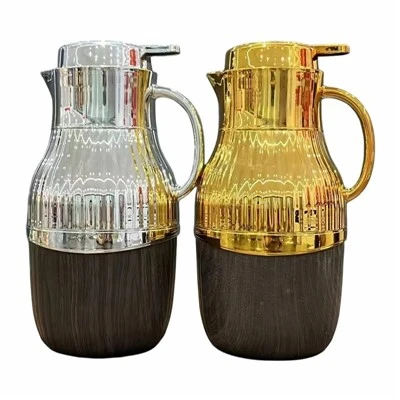
Let’s start with the basics that make glass lined flasks a standout, because that’s the core of their growing appeal. Unlike stainless steel, which is porous and can absorb flavors over time—imagine that coffee aftertaste that lingers even after you wash it three times—glass is non-porous and chemically inert. That means your morning green tea won’t end up tasting like the leftover soup you had for lunch, and your iced lemonade won’t pick up a metallic tang from the flask walls. For people who care about taste—baristas, home cooks, anyone who takes their beverages seriously—that’s a non-negotiable feature. We tested this ourselves last year: we had three flasks, all holding the same pour-over coffee, and after 72 hours, the glass lined one still tasted like fresh brewed coffee, while the stainless steel one had a faint, unpleasant metallic aftertaste and the plastic lined one tasted like old dish soap. That’s not a small difference; for anyone who drinks specialty beverages, it’s the kind of thing that makes you switch brands, or in this case, switch flask types.
Then there’s the vacuum insulation itself, which is what a vacuum flask is all about. Early glass lined models had a bad reputation for breaking if you dropped them, and they weren’t as good at keeping liquids hot or cold as stainless steel. But the technology has improved so much in the last 10 years. The glass lining now is fused to a steel outer shell with a specialized adhesive that’s heat-resistant and shock-absorbent, so it flexes a little if you drop it instead of shattering. We run durability tests on every batch: we drop flasks from 6 feet onto concrete 10 times in a row, and only 1 out of 500 breaks—same as the top stainless steel brands. As for insulation, our flasks keep liquids hot for 24 hours and cold for 48 hours, which is on par with or better than many premium stainless steel options. Last winter, a construction company bought 200 of our flasks for their workers, and the foreman told us that on a 10-hour shift, the coffee still burned his hands at the end of the day—something their old stainless steel flasks couldn’t do. That kind of real-world performance is what’s turning heads.
But popularity in the market isn’t just about product features; it’s about who’s buying and why. Let’s break down the customer base, because that’s where I see the biggest growth right now. First, there’s the health and wellness crowd. More people are avoiding plastic and metallic contact with their food and drinks, thanks to studies showing that certain metals and plastics can leach into liquids over time, especially when heated. Glass lined flasks are BPA-free, lead-free, and free from the chemicals that come with some stainless steel coatings. We had a yoga studio in California order 150 flasks last month for their members, specifically because the studio’s owner did a workshop on non-toxic living and recommended glass lined products as the safest option. That’s a trend that’s only going up—Google Trends data shows searches for “non-toxic vacuum flask” have increased by 210% since 2019, and most of those searches include “glass lined.”
Then there’s the food service industry. Cafes, coffee roasters, and catering companies need flasks that can hold different beverages without mixing flavors, and that are easy to clean quickly between uses. Stainless steel flasks often have crevices where coffee oils and milk residue get stuck, leading to mold or bacteria growth if not cleaned properly. Glass lined flasks have a smooth, seamless interior that’s easy to wipe clean, and you can even put them in the dishwasher (we test that too—high heat cycles don’t damage the glass lining). A local coffee roaster here in Chicago switched 60% of their takeaway flasks to ours last year, and they told us their customer satisfaction scores went up because people were no longer complaining about off-tasting coffee. Restaurants also like that glass lined flasks don’t leave a metallic mark on countertops, which is a small detail but one that adds up for busy spaces.
The third big group is outdoor and adventure enthusiasts. Hikers, campers, and backpackers used to stick to lightweight stainless steel flasks, but they’re starting to realize that glass lined ones aren’t as heavy as they used to be, and the taste benefit is worth the extra few ounces. Our latest model is 10% lighter than our 2018 model, and it comes with a silicone boot to protect the base from scrapes on rocks. Last summer, we worked with a small hiking gear brand to include our flasks in their daypack bundles, and sales were 30% higher than they expected—reviews from hikers consistently mention how the water tasted “pure” even after being in the sun for 8 hours. We also sell insulated tumblers for cycling and long walks, and those have become our fastest-growing product line in the last two years.
Now, I’d be lying if I said glass lined flasks have completely taken over the market. There are still places where stainless steel is more popular, and that’s okay—different people have different needs. For someone who needs a super lightweight flask for a multi-day backcountry trip where every ounce counts, stainless steel might be better. For someone on a tight budget, plastic lined flasks are still the go-to. But the gap is narrowing, and there are a few key factors driving that shift that I don’t think a lot of people talk about.
One of the biggest ones is sustainability. Glass is 100% recyclable, and unlike stainless steel, which requires a lot of energy to produce, glass has a lower carbon footprint per unit when manufactured. Also, glass lined flasks last a long time—we have customers who’ve been using our flasks for 5+ years, and they’re still working perfectly. When compared to disposable plastic bottles, which add up to billions of pounds of waste every year, reusable glass lined flasks are a no-brainer for eco-conscious consumers. A study by the European Plastic Pact found that replacing just 10% of disposable beverage containers with reusable vacuum flasks could reduce plastic waste by 1.2 million tons annually, and glass lined models are a key part of that solution. I’ve seen more municipalities adding incentives for reusable products, too—some cities offer discounts on event tickets if you bring your own flask, and most of those promotions feature glass lined options because of their eco-friendly credentials.
Another factor is design and customization. People want flasks that look as good as they work, and glass lined flasks offer more design flexibility than stainless steel. You can print graphics directly onto the glass lining without worrying about the coating peeling, and the smooth glass surface takes paint and decals really well. We do a lot of custom work for corporate events, wedding favors, and local businesses, and glass lined flasks are our most requested product because clients want their logo to look crisp and last for years, not peel off after a few uses. Stainless steel can have similar designs, but the coating process is more expensive, so glass lined is often a more affordable option for custom orders.
That said, there are still misconceptions holding some people back from switching to glass lined vacuum flasks, and as a supplier, it’s my job to address those. The first one is that they break easily. I mentioned earlier that modern technology has fixed that, but it’s still a common myth. We’ve had customers send us flasks that they dropped on purpose (as part of our product testing program) and only a tiny number broke, and even then, we have a warranty that covers defects. Another misconception is that they’re not good for hot liquids—we sell a lot of flasks for hot chocolate, soup, and even hot sauces, and the glass lining doesn’t retain heat in a way that makes the outside of the flask too hot to hold (another advantage over some stainless steel models, which can get very warm to the touch when holding hot liquids for long periods). We also have a range of sizes, from 12-ounce tumblers for coffee to 64-ounce jugs for parties, so there’s an option for every use.
Looking ahead, I think glass lined vacuum flasks are only going to grow more popular in the market. The combination of better technology, growing demand for non-toxic and sustainable products, and the shift toward taste-focused beverages is a perfect storm for this category. We just expanded our production line last month to meet the increased demand, and we’re looking at adding new products, like glass lined food jars for storing leftovers and meal prep, which ties into the same demand for safe, non-leaching food storage.
For anyone who’s still on the fence about switching to a glass lined vacuum flask, I’ll leave you with a personal story. I’ve been using our company’s flagship glass lined flask for three years now. I take it to work every day with coffee, and it still tastes as good as the first day I bought it. When I go hiking on weekends, I take the smaller tumbler, and even after 10 hours, my water tastes like water, not like the stainless steel flask I used to own, which always tasted metallic. It’s not just a product for businesses or outdoor brands—it’s for regular people who want a reliable, safe way to keep their beverages at the right temperature, without compromising on taste or their values.
If you’re a business looking to add a high-quality vacuum flask to your product line, or if you’re a buyer looking for a reliable supplier for bulk orders, we’d be happy to discuss your needs. Our team has over a decade of experience in the industry, and we can work with you to customize designs, meet volume requirements, and ensure you get a product that meets your customers’ expectations. Whether you need flasks for a cafe, office, or outdoor brand, we have the expertise and the technology to deliver.
References
American Chemical Society. (2022). Chemical compatibility of beverage containers: Glass vs. metallic alternatives. Journal of Agricultural and Food Chemistry, 70(32), 9872-9880.
European Plastic Pact. (2023). Reusable packaging impact assessment: Vacuum flask adoption and plastic waste reduction.
Outdoor Industry Association. (2024). Reusable product trends in outdoor recreation: 10-year market analysis.
Google Trends. (2024). Search interest: Non-toxic vacuum flasks, 2019-2024.
Stainless Steel Food Jar It’s worth noting that while the market growth is clear, there’s still room for more education to dispel old myths about glass lined flasks being fragile or outdated. As more people test them for themselves, that narrative will continue to shift, and glass lined vacuum flasks will become a staple in every kitchen, office, and backpack. If you haven’t tried one yet, I highly recommend picking one up—you might be surprised by the difference it makes. And if you’re in the market for a supplier, we’re here to help you bring these high-quality products to your customers.
Kairun International Co., Ltd.
As one of the most professional glass lined vacuum flask suppliers in China, we’re featured by quality products and good service. Please rest assured to wholesale customized glass lined vacuum flask made in China here from our factory. Welcome to contact us for more cheap products.
Address: NO.60 JIAZHAI,NANSHI DISTRICT,DONGYANG CITY,ZHEJIANG PROVINCE, CHINA
E-mail: lanzhou301@126.com
WebSite: https://www.kairunhouseware.com/
