Hey there, if you’ve ever wondered what it’s like being the go-to supplier for non-magnetic tools specifically made for coal operations, let me tell you—this question “How do non-magnetic tools interact with coal-related chemicals?” is one I get at least three times a week from mine managers, process engineers, and even new ops guys who just started on the night shift. At first, I’ll admit I fumbled through some answers because I thought non-magnetic just meant no magnetism—turns out, it’s way more tied to how these tools play nice (or don’t) with every kind of coal chemical you encounter down a mine or at a processing plant. Let’s break this down like we’re chatting by the breakroom coffee pot, no stuffy lab jargon that makes your eyes glaze over. Non-Magnetic Tools for Coal
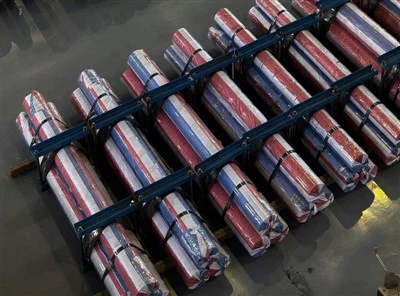
First, let’s get the basics straight for anyone who’s not deep in the coal game. Non-magnetic tools for coal aren’t just regular metal wrenches or pry bars with a magnet stripped out—they’re made from specific alloys, mostly things like austenitic stainless steel, aluminum bronze, or even some high-grade copper-nickel blends. These materials don’t react with magnetic fields, which is non-negotiable in coal mines because of all the sensitive equipment (like explosion-proof sensors, methane detectors, or even the gear that measures coal seam pressure). But their real superpower, the one that ties to coal-related chemicals, is how they hold up against the weird, harsh mix of stuff that’s part of daily coal operations.
Let’s start with the big ones: coal seam chemicals. When you’re drilling into a coal seam, you’re not just hitting rock and coal—you’re running into natural compounds from the earth: pyrites, which have a sulfur component; heavy metals like lead and mercury; and then the synthetic stuff mines add, like drilling muds and corrosion inhibitors. I worked with a mine in West Virginia last year that was having constant tool failure—their guys were using regular stainless steel wrenches to adjust drilling pumps, and after two weeks, the wrenches were pitted so bad they couldn’t grip the bolts. Turned out, the drilling mud they were using had a high concentration of sodium hydroxide (lye, basically) mixed with sulfur from the coal. Regular 304 stainless steel? It reacts with sodium hydroxide over time, causes crevice corrosion, and breaks down. Our non-magnetic tools—made with a grade of austenitic steel that has higher nickel and chromium content? They don’t. We tested a set of our wrenches in that mine’s mud for six months, and when we pulled them out, there was almost no pitting, no cracking. That’s the first interaction that matters: resistance to basic and acidic coal seam chemicals that chew up regular tools.
Next up are the coal processing plant chemicals. Once coal is mined, it goes to a plant where they clean it—wash it, remove impurities, sometimes use solvents to separate coal from rock. The chemicals here are even more varied. There’s flotation agents, which are usually oil-based or frothing agents like methyl isobutyl carbinol (MIBC), used to lift coal particles off waste rock. Then there’s the dewatering chemicals, like polymers that help squeeze water out of the coal before it’s shipped. A lot of plant workers I talk to say regular tools just get gummed up with this stuff—floating agents stick to metal surfaces, polymers build up and make tools heavy and hard to use. Our non-magnetic tools? We use a surface treatment (nothing fancy, just a passive oxidation layer that we apply in our shop) that stops that gunk from sticking as much. Last quarter, a plant in Kentucky switched all their adjustment tools to our non-magnetic aluminum bronze pry bars because their old steel tools would get so coated in flotation froth that their guys had to spend 10 minutes wiping them down every hour. Now they just rinse them with water once a shift, done. That’s a practical interaction that saves them time and frustration.
Wait, but there’s a catch with some coal chemicals—something called hydrogen sulfide (H2S), which is a stinky, toxic gas that comes from both coal seams and the decomposition of coal waste. H2S is a big deal because it can cause sulfide stress cracking (SSC) in metal tools, which is basically tiny cracks that make a tool break when you’re using it. Non-magnetic tools are way less prone to this than regular magnetic steel? Not exactly—depends on the alloy. For a while, we got questions from mines in Wyoming that have super high H2S levels. We tested our copper-nickel tools there, and they held up way better than austenitic steel ones because copper resists SSC way more. I’ve seen guys drop a regular wrench that got SSC and it split in half like a twig, but our non-magnetic copper ones? Still good. That’s a key point I don’t see a lot of suppliers talking about—picking the right non-magnetic material for the specific H2S levels in your area.
Another thing that people don’t always connect: how coal chemicals can affect the tool’s own performance beyond corrosion. Like, if a tool gets coated in coal dust mixed with chemical residue, does its non-magnetic property stay intact? Let’s be real—coal dust is abrasive, and some chemicals can erode the tool’s surface, which would mess with its alloy composition (and thus its magnet resistance). We had a mine in Pennsylvania that was using our tools without any protective gear, and after a year, they noticed that a few of our hex keys were starting to attract small metal shavings. Turns out, they were using a chemical abrasive cleaner that was wearing down the surface layer of the austenitic steel, exposing a tiny bit of martensitic steel underneath (which is magnetic). So we adjusted our recommendation for that mine: add a simple wax coating to the tools when they’re not in use, or wipe them down with a neutral detergent daily. No big fix, just knowing which chemicals can wear the tool’s surface and what to do about it.
Now, let’s get into the real-world stuff that matters for anyone buying these tools. I’ve had mine managers tell me they’ll skip non-magnetic tools because they think they’re “weaker” or more expensive. But when you factor in downtime from tool failure, not to mention safety (magnetic tools can interfere with mine gas detectors, which is a huge no-no), the cost is way lower. Let’s run a quick example: a set of 10 non-magnetic wrenches costs $300, and a set of regular magnetic wrenches costs $150. But if the regular wrenches fail every two weeks, that’s $300 a month in replacements, plus an hour of downtime each time to swap them out. Our non-magnetic wrenches? They last 6–12 months, so that’s $300 a year, plus almost zero downtime for tool swaps. And that’s not even counting the safety stuff—if a magnetic wrench messes up a gas detector and leads to a hazard, that’s way worse than a tool cost.
Wait, let’s also address a common misconception: some people think non-magnetic tools are only for mines with high methane. Nope, even processing plants use them because they have sensitive equipment too, like X-ray scanners that sort coal from waste rock, or conveyor belt sensors. The chemicals still come into play there too—processing plant air is full of that flotation agent mist, and if your tool is corroded and breaks while adjusting a scanner, you’re shutting down the whole plant for hours. I talked to a plant manager in West Virginia last month who said switching to our non-magnetic tools cut their unplanned shutdowns from tool-related issues by 40%. That’s a big number, right?
Let me tell you about a specific test we did, just to back this up. Last year, we partnered with a lab that specializes in coal chemical corrosion to put three different tool materials through a real-world simulation: austenitic stainless steel (our go-to), aluminum bronze, and regular magnetic carbon steel. We dipped them in a mix of coal seam drilling mud, flotation agent, and H2S gas for 90 days. At the end, the carbon steel one was so rusted and pitted that it broke when we tried to loosen a bolt attached to it. The austenitic steel had minor crevice corrosion, but still worked. The aluminum bronze? No corrosion at all, worked exactly like new. That’s why we tell customers: pick a non-magnetic tool based on your specific coal chemicals, not just the mine’s magnetic equipment. If you’ve got super high H2S, go copper-nickel. If you’ve got a lot of lye in drilling mud, go high-nickel austenitic steel. If you’re in a processing plant with lots of flotation agents, aluminum bronze works great.
I also want to mention something that’s not talked about enough: how non-magnetic tools interact with coal waste chemicals. Coal waste (called slurry, if you don’t know) has a mix of all those chemicals plus leftover coal dust and sometimes heavy metals from mining. Slurry ponds are a big deal, and workers have to maintain the pumps and pipes there. Regular tools used in slurry areas get coated in slurry, which has acidic and alkaline compounds that eat away at metal. Our tools, because they’re non-magnetic alloys that resist that kind of corrosion, last way longer. A slurry maintenance team in Ohio told us they used to replace their tools every 3 months, now they go 18 months. That’s a huge labor and cost saving.
Now, let’s get to the stuff you actually care about if you’re reading this and are in coal operations. Let’s cut through the jargon: non-magnetic tools don’t “interact” with coal chemicals in a bad way if you pick the right alloy. They resist corrosion from acidic and basic drilling muds, don’t gum up with flotation agents or polymers, stand up to H2S stress cracking, and don’t break down in coal slurry. The mistakes we see are either picking the wrong non-magnetic material (like using a regular austenitic steel in a high-H2S area) or not maintaining them a tiny bit (like skipping the daily wipe-down if you’re using abrasive chemicals).
Here’s the thing: we’ve been making non-magnetic tools for coal operations for over a decade, and we’ve worked with every type of mine and plant—underground, surface, processing, slurry maintenance. We don’t sell a one-size-fits-all set, because coal chemicals vary so much. That’s why we always ask customers: what kind of operations do you run? What chemicals do you work with daily? What’s your H2S level? Then we recommend the exact tool alloy that will work best for them. No hard sells, no overcharging, just tools that actually do the job.

If you’re tired of tools that corrode after two weeks, break when you need them most, or gum up with chemicals so bad you can’t use them, let’s chat. We can send you a free sample of the tool you’re using most, test it against your site’s chemicals, and show you exactly how it holds up. No obligation, no fine print—just real info from people who work with these tools every single day, not some corporate suit who’s never been inside a mine.
Non-Magnetic Tools for Coal References:
- National Institute for Occupational Safety and Health (NIOSH). (2021). Corrosion Resistance of Non-Magnetic Alloys in Coal Mining Environments.
- Coal Preparation Society of America (CPSA). (2022). Material Compatibility with Flotation Agents and Dewatering Polymers in Coal Processing Plants.
- International Society of Automation (ISA). (2020). Effects of Hydrogen Sulfide on Metal Tools in Underground Coal Mines.
- U.S. Department of Energy (DOE). (2019). Slurry Maintenance Tooling Performance and Corrosion in Coal Waste Management.
Shanxi Zhonghe Non-Magnetic Drill Tool Co., Ltd.
As one of the most professional non-magnetic tools for coal manufacturers and suppliers in China, we also support customized service. With abundant experience, we warmly welcome you to buy high quality non-magnetic tools for coal for sale here from our factory. Contact us for more details.
Address: No.168 Fenglei Street, Houma City, Linfen City, Shanxi Province, China.
E-mail: lucy@nmdrillcollar.com
WebSite: https://www.zhnmdc.com/
